Story

c. 200 BCE

A jar, copper and iron:Charge, maybe.

A craftsman seals a clay jar holding a copper cylinder and an iron rod
Copper, iron and a clay jar
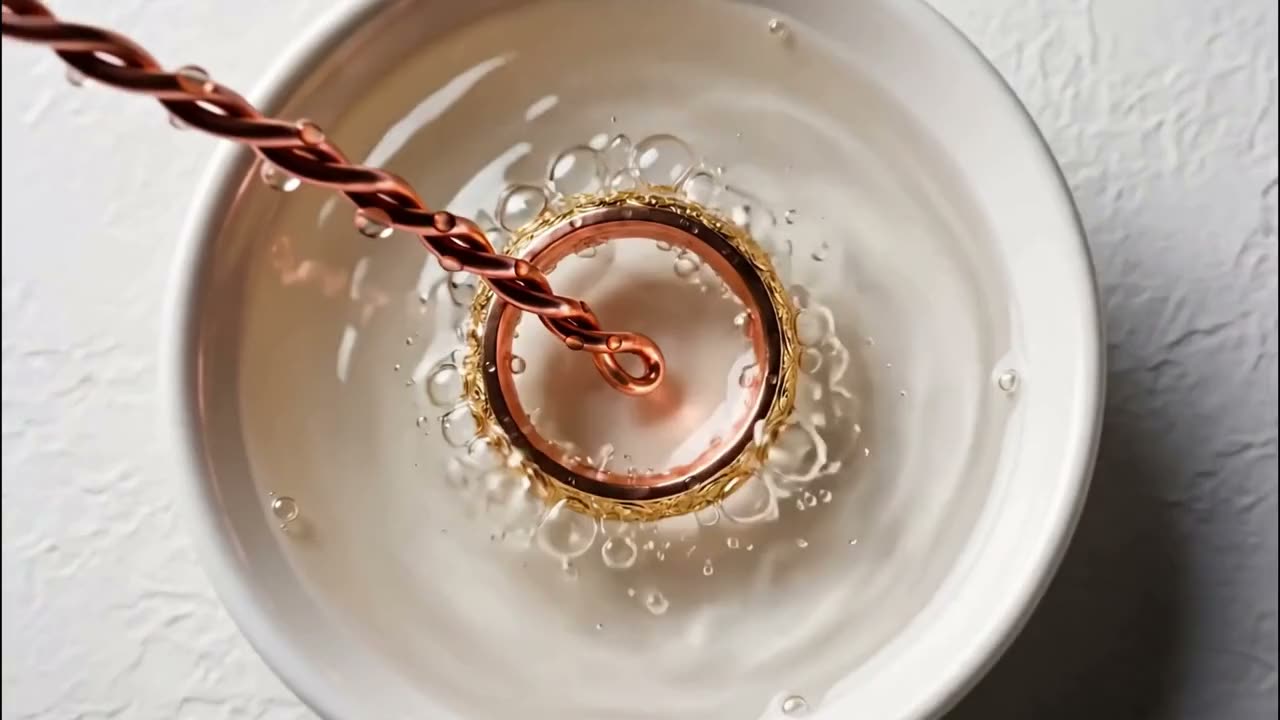
A copper wire leads into a dish where a ring sits in bubbling liquid
Possibly used to plate gold
Acid weeps from a cracked clay jar and spreads across the floor
The jar leaks and corrodes

The Baghdad jar is a disputed find: some think it stored charge, others do not. Shown as an open question.

c. 1200

Iron bands on clay:Fire, held.

Hands grip an iron band around a small clay vessel on a stone
Bind the vessel with iron
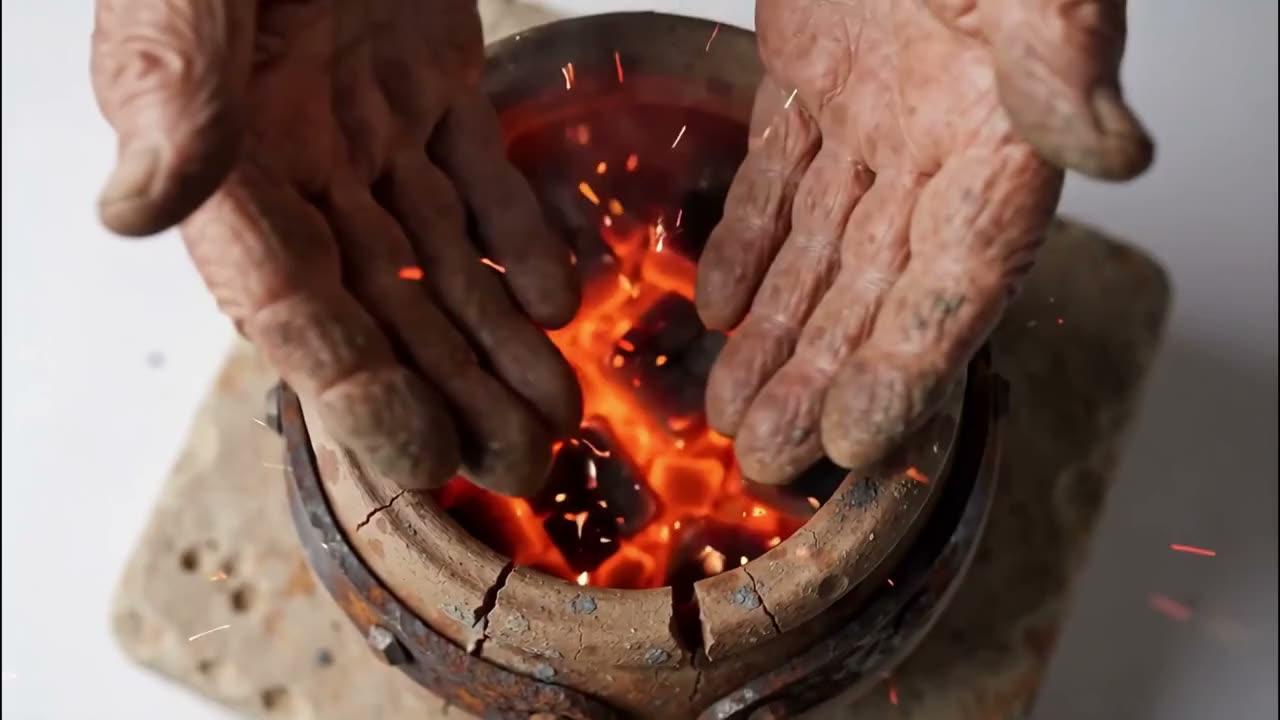
Hands warm themselves over embers inside a banded clay vessel
Warm it over embers
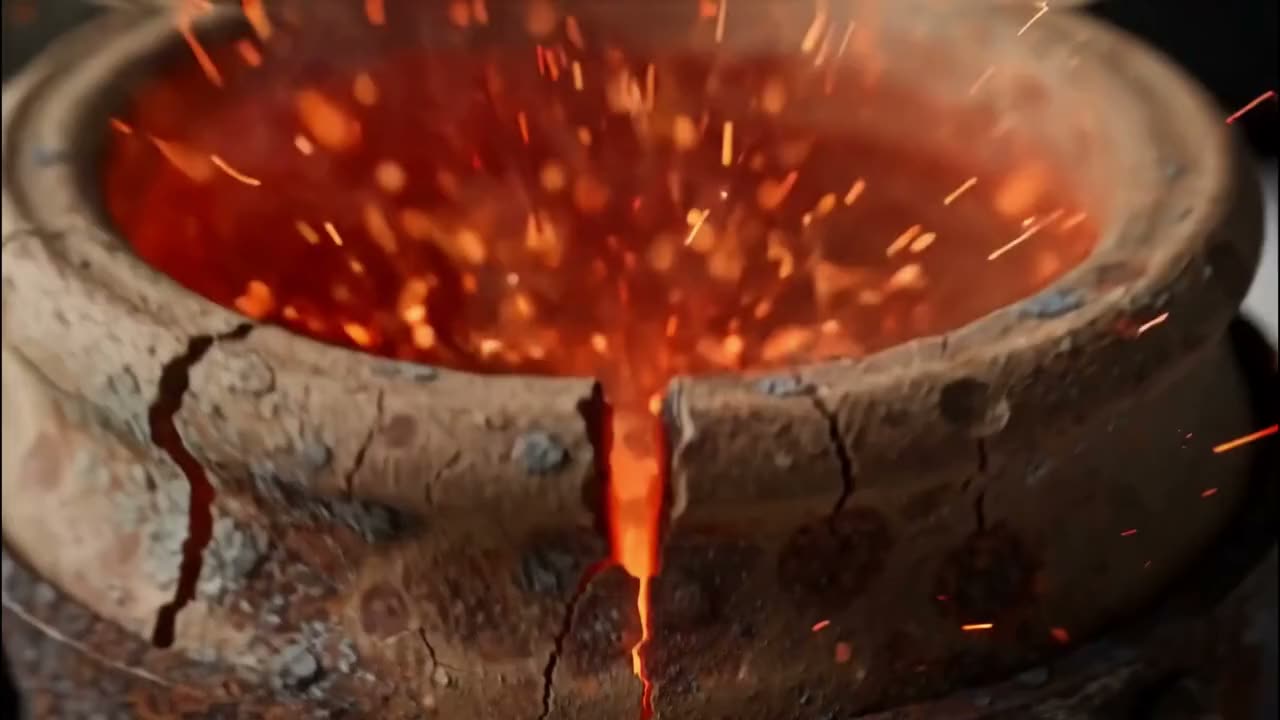
Molten light runs through a crack in the side of the clay vessel
The clay cracks

Symbolic: long before batteries, people contained what they feared.

c. 1800

Volta's pile:Steady current.
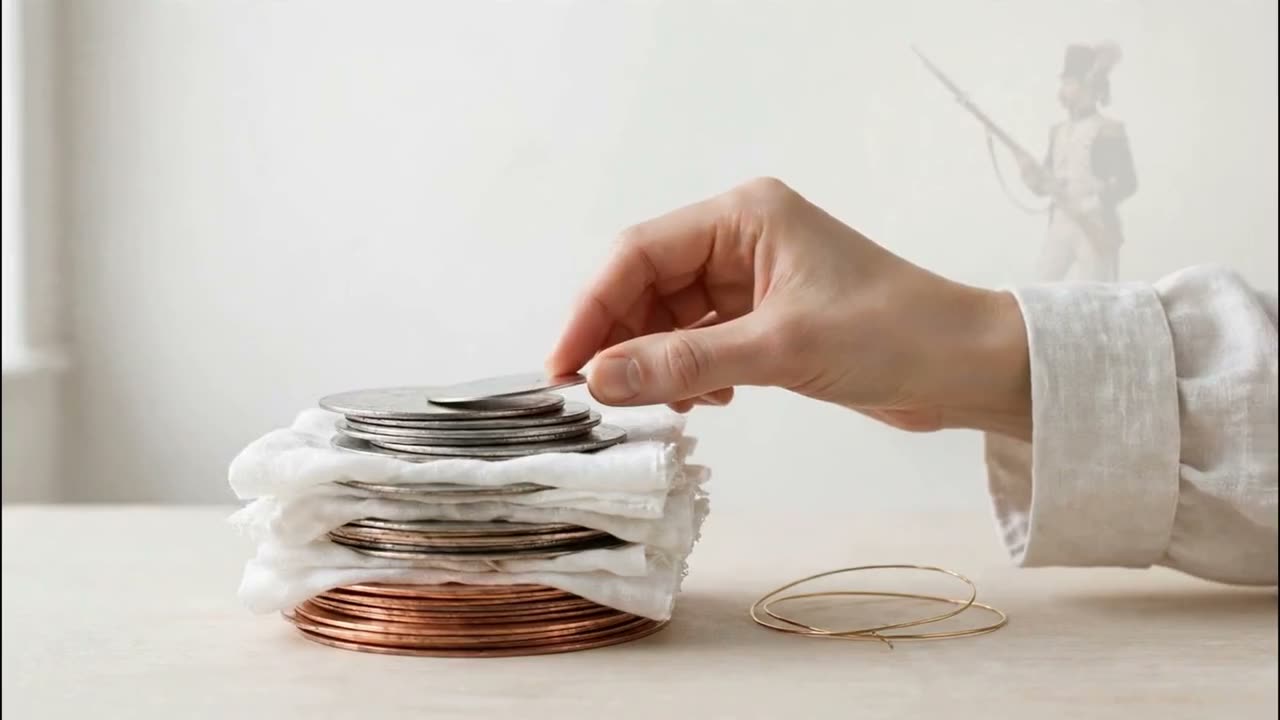
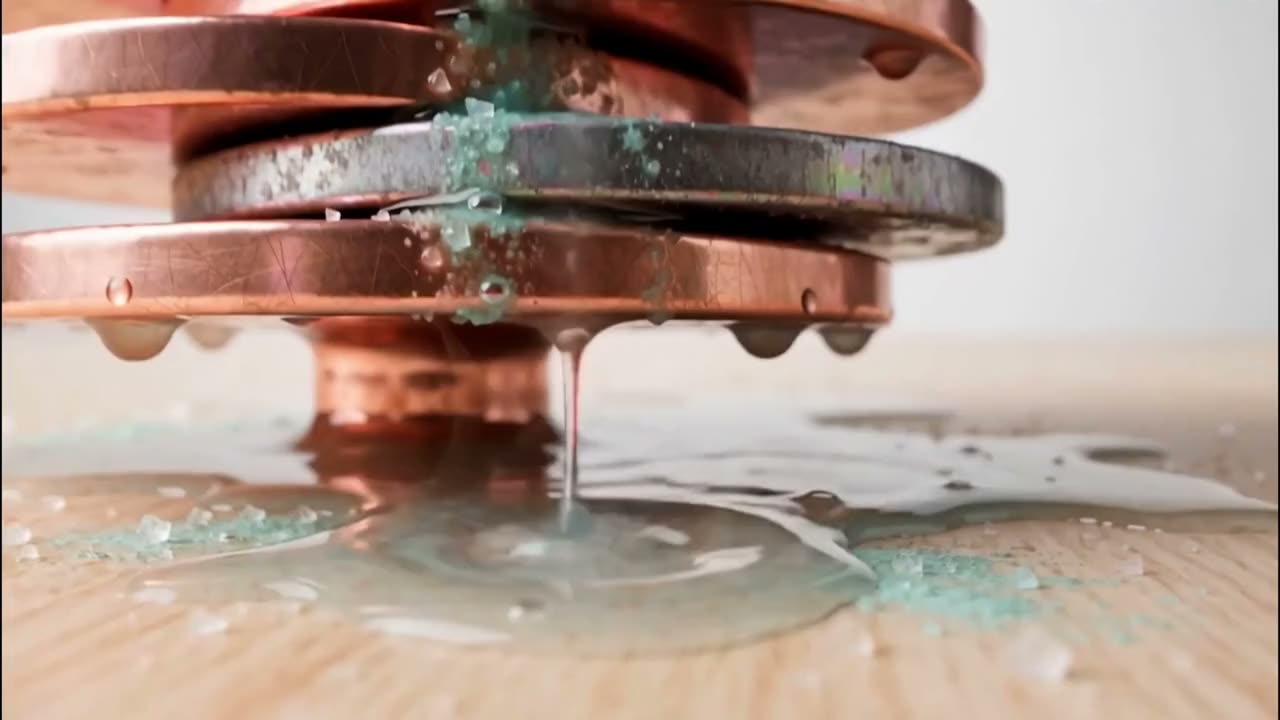
A hand stacks metal discs separated by damp cloth into a pile
Metal discs and brine cloth
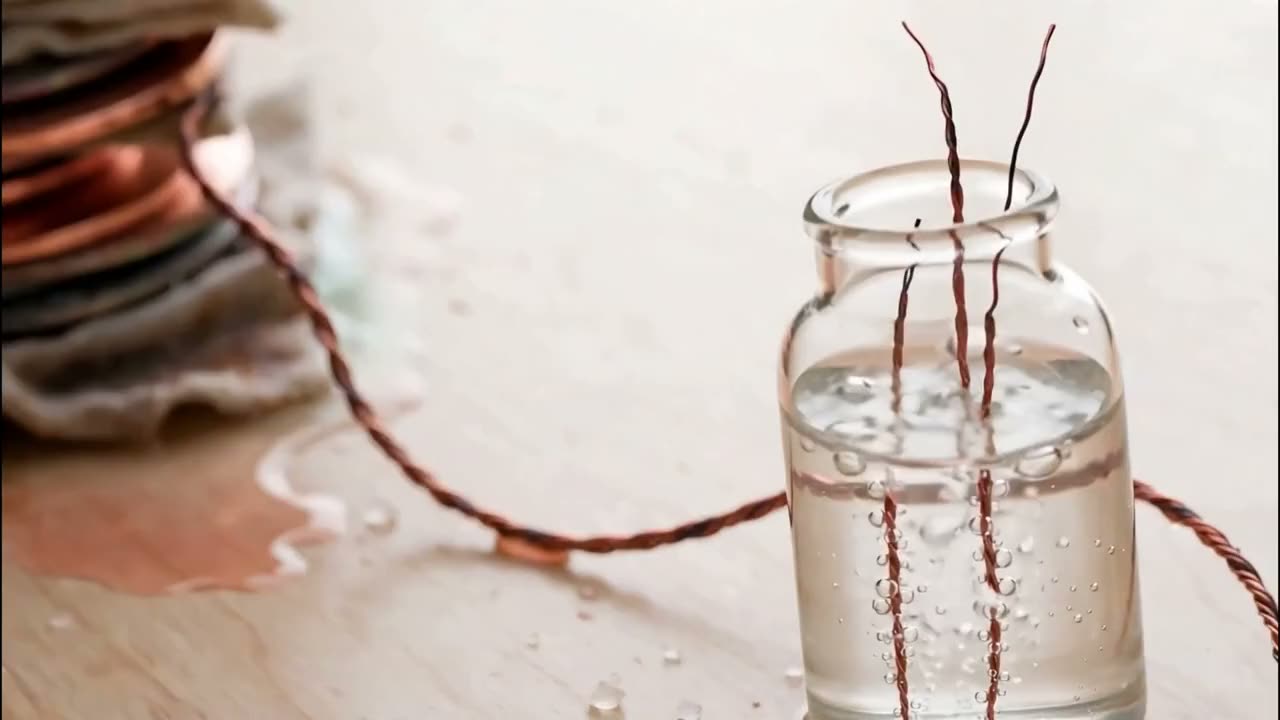
Wires from the pile run into a jar of water streaming with bubbles
Current splits water
Green corrosion crusts the discs as brine drips onto the table
Brine weeps, the metal corrodes

Alessandro Volta, 1800. Dates approximate.

1859

Lead-acid cell:Power, boxed.
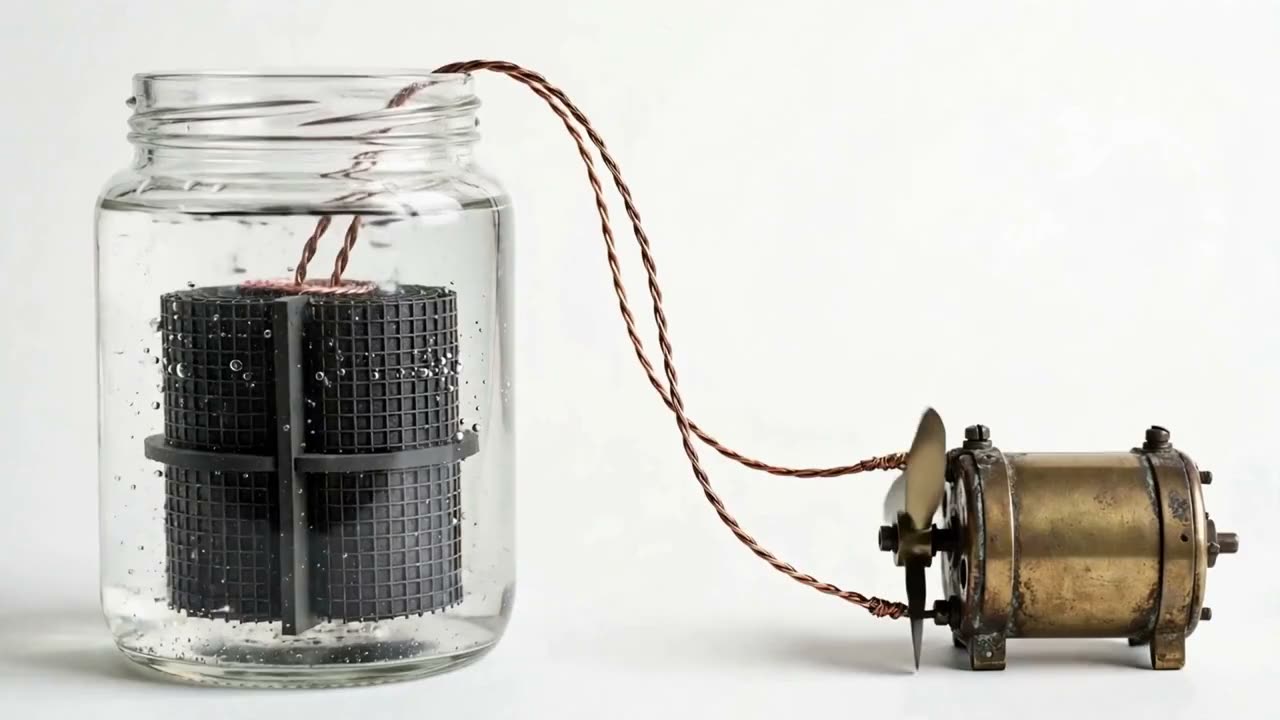
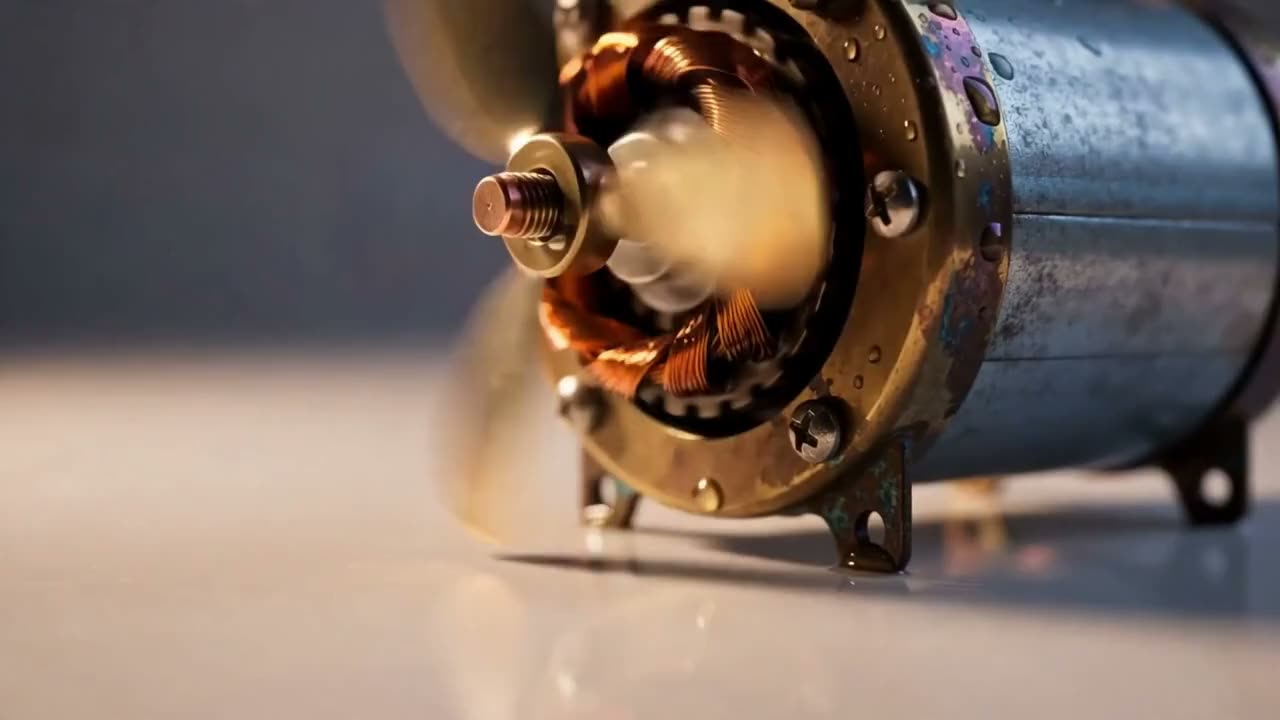
A glass jar of plates wired to a small brass motor
Lead plates in acid, in glass
A small motor spins on the stored charge
Stored charge, spinning
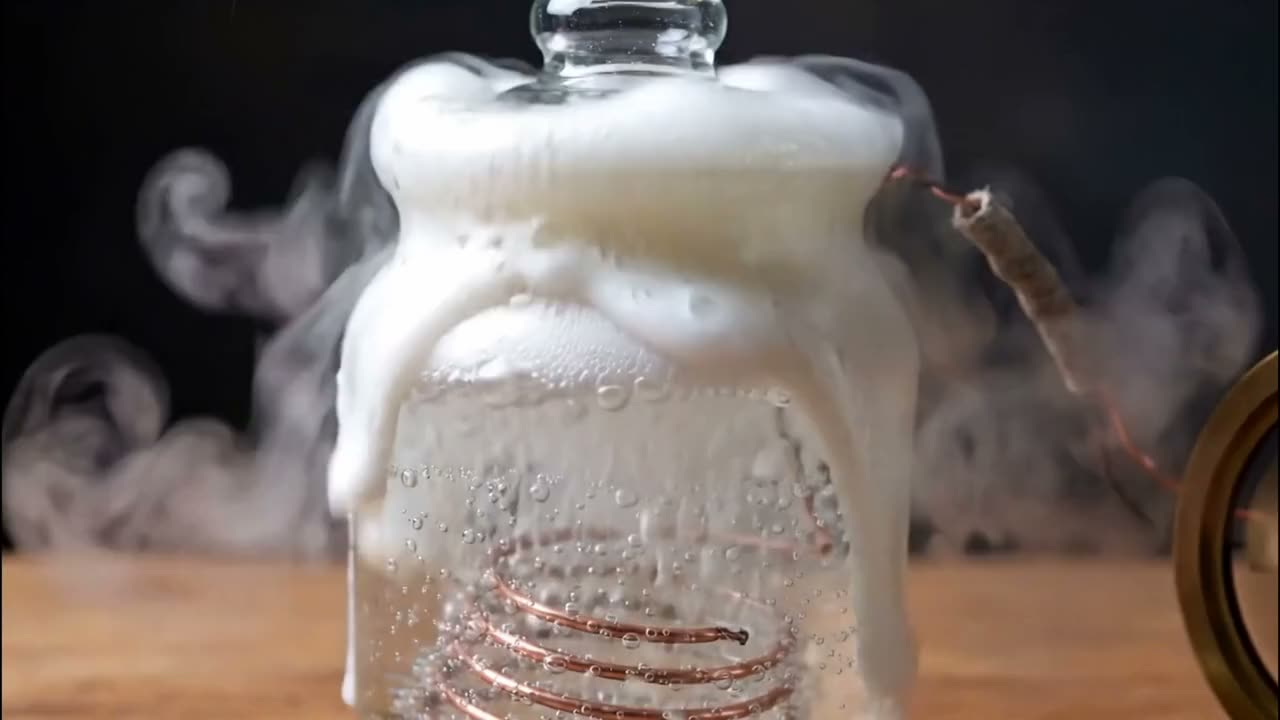
The jar foams and gasses over, spilling onto the table
Acid boils over

Gaston Planté, 1859: the first rechargeable battery.

c. 1910

Battery houses:Distance, drawn.
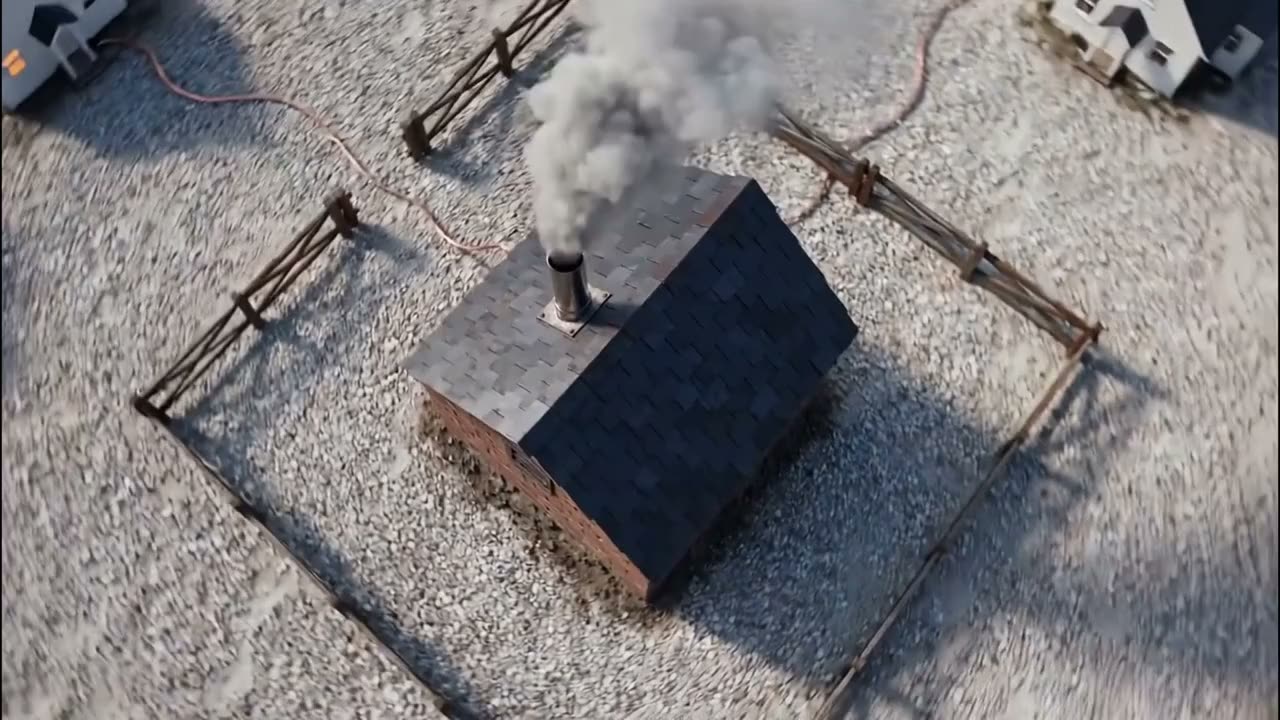
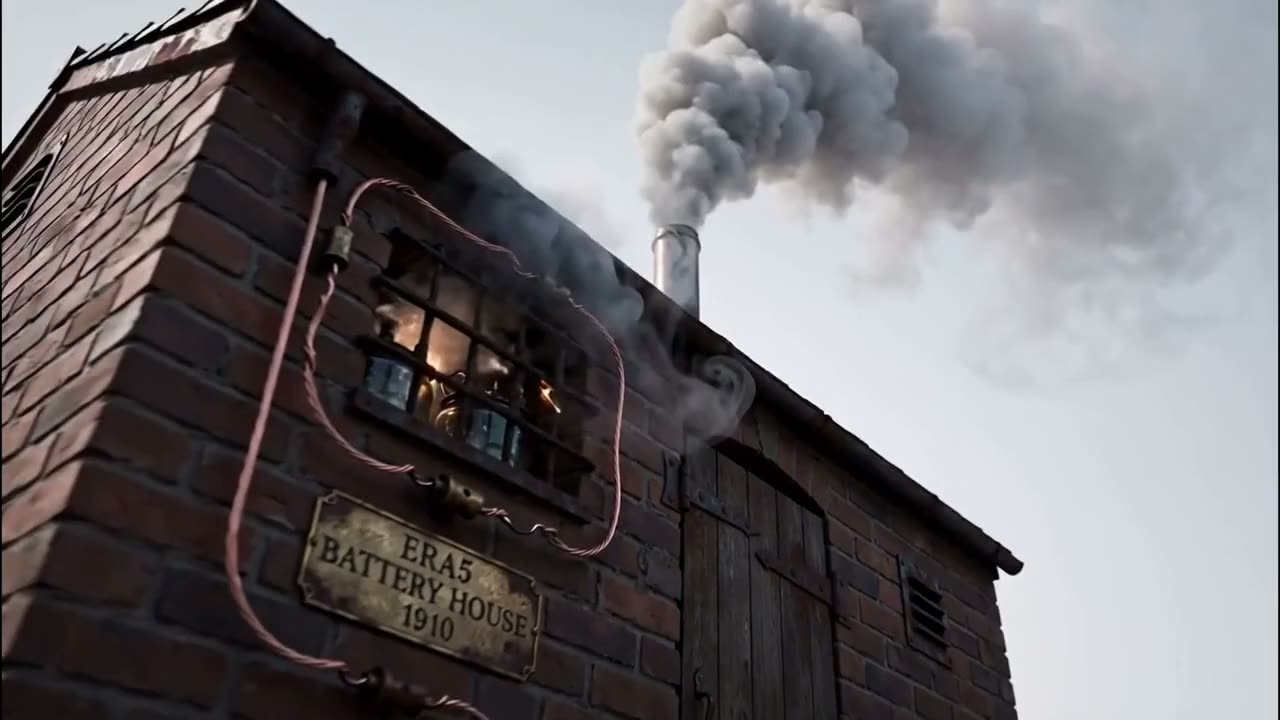
A small brick battery house inside a fence, far from the homes
Built apart, fenced in
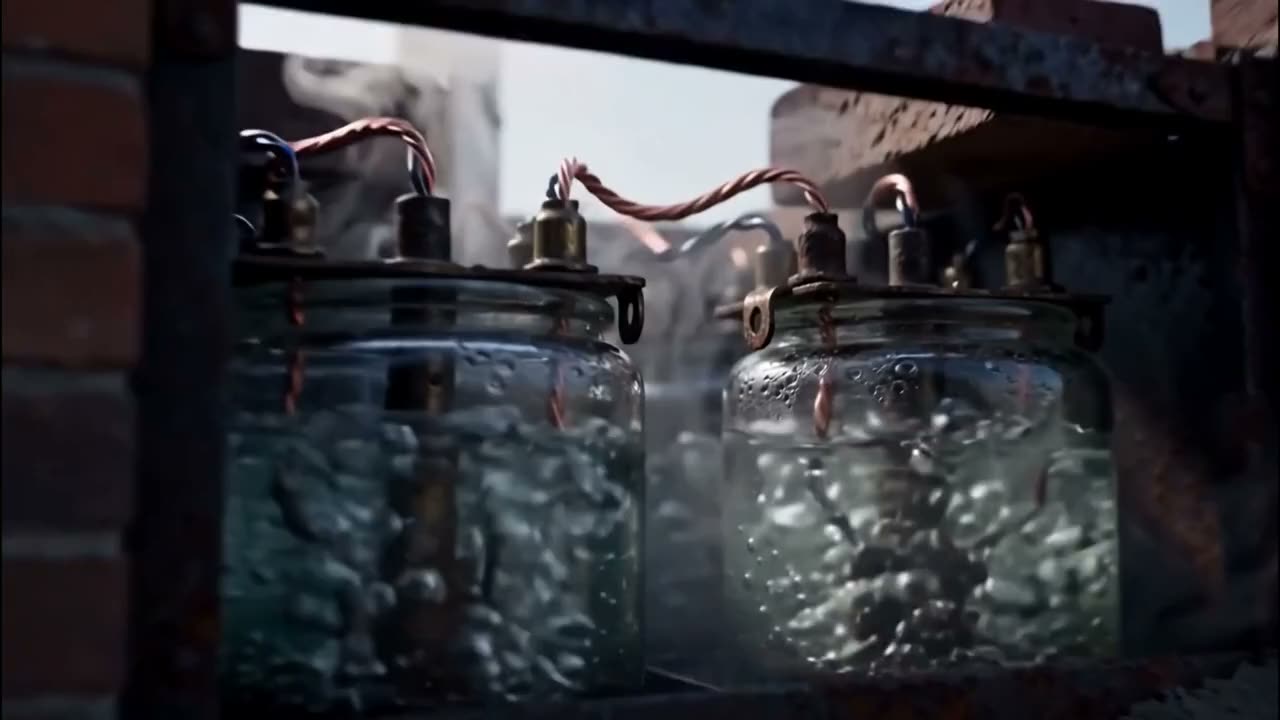
Glass cells wired together inside the battery house
Rows of open glass cells
Sparks flash at the battery house window as smoke rises
A fault inside

Safety by distance: the industry learned to keep stored energy away from people.

1976

The lithium coin cell:Denser, riskier.
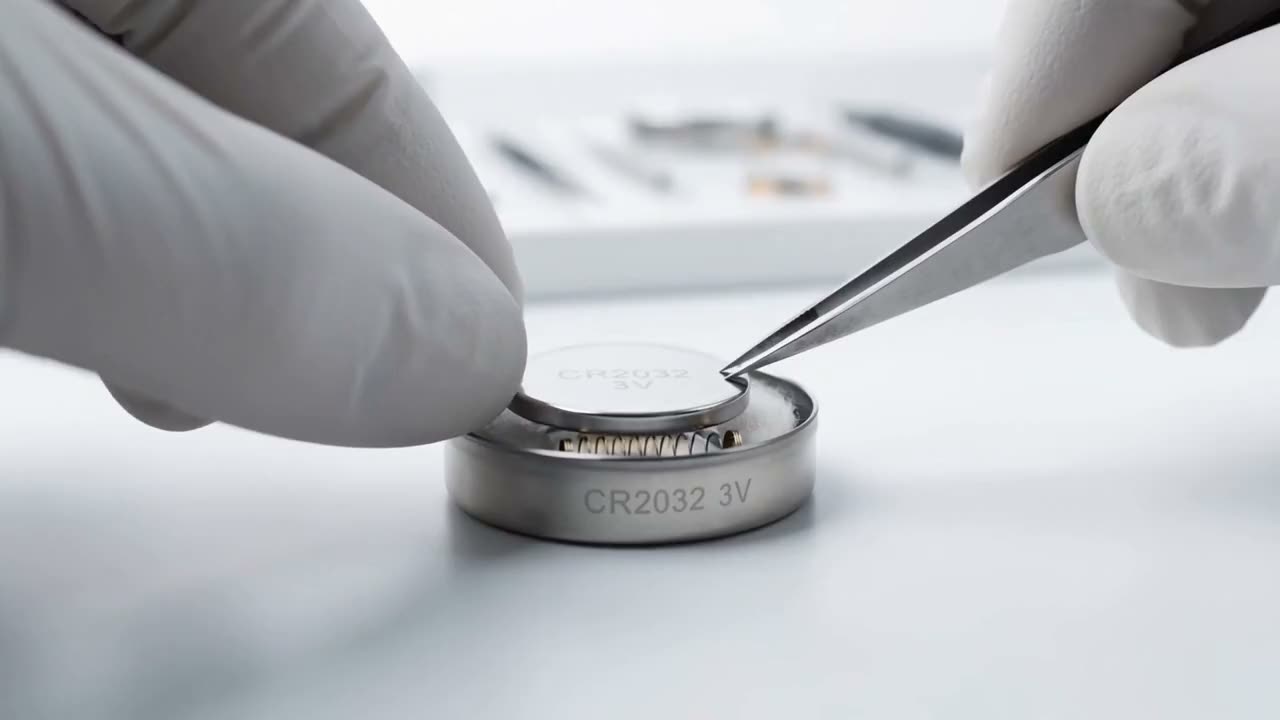
Gloved hands and tweezers assemble a small coin cell
Assembled by hand
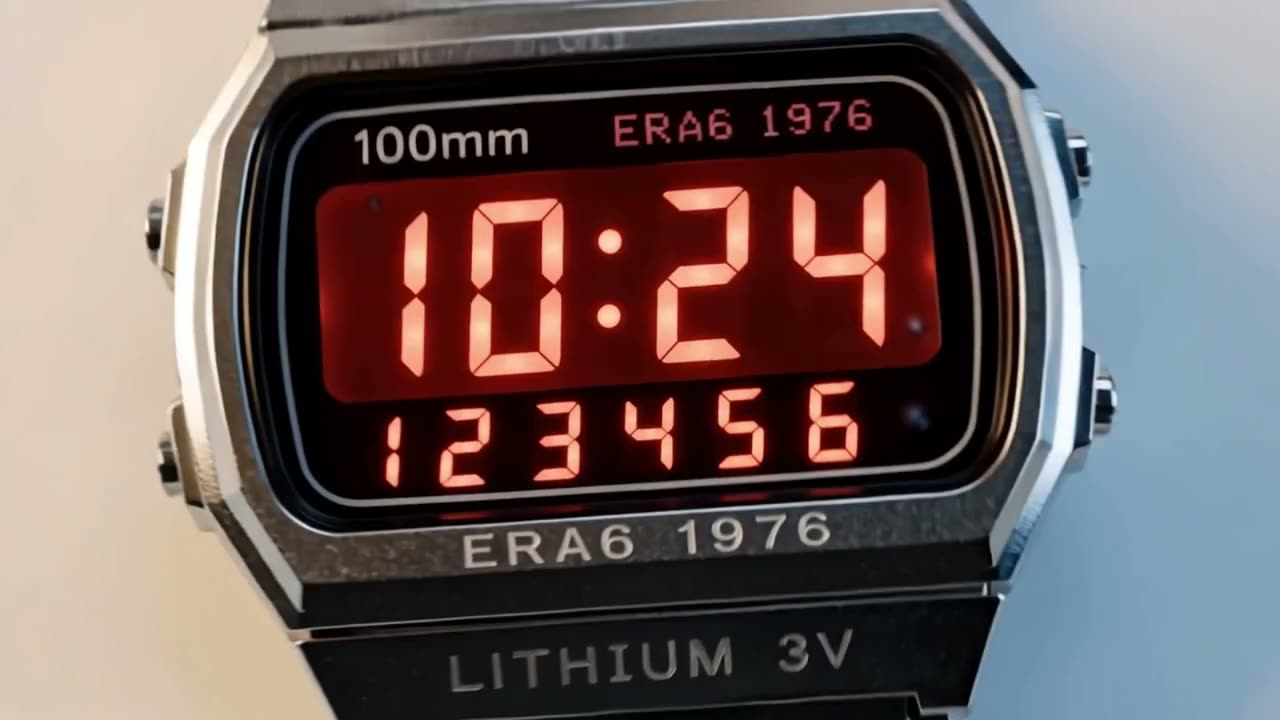
A digital watch lit by a small lithium cell
Power on the wrist
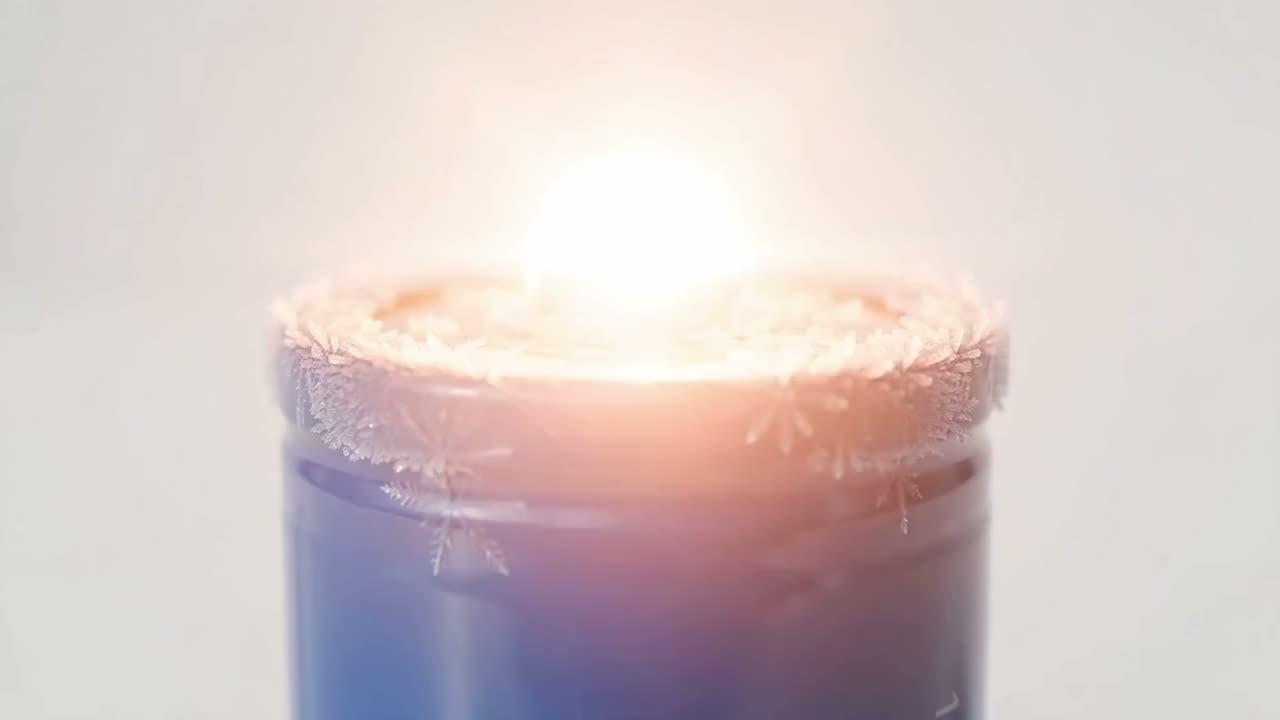
Frost-like metal whiskers spread across the surface of a cell
Dendrites grow

Lithium primary cells spread in the 1970s; rechargeable lithium-ion reached the market in 1991, bringing higher density and new risks.

c. 2010

Thermal blankets:Still flammable.
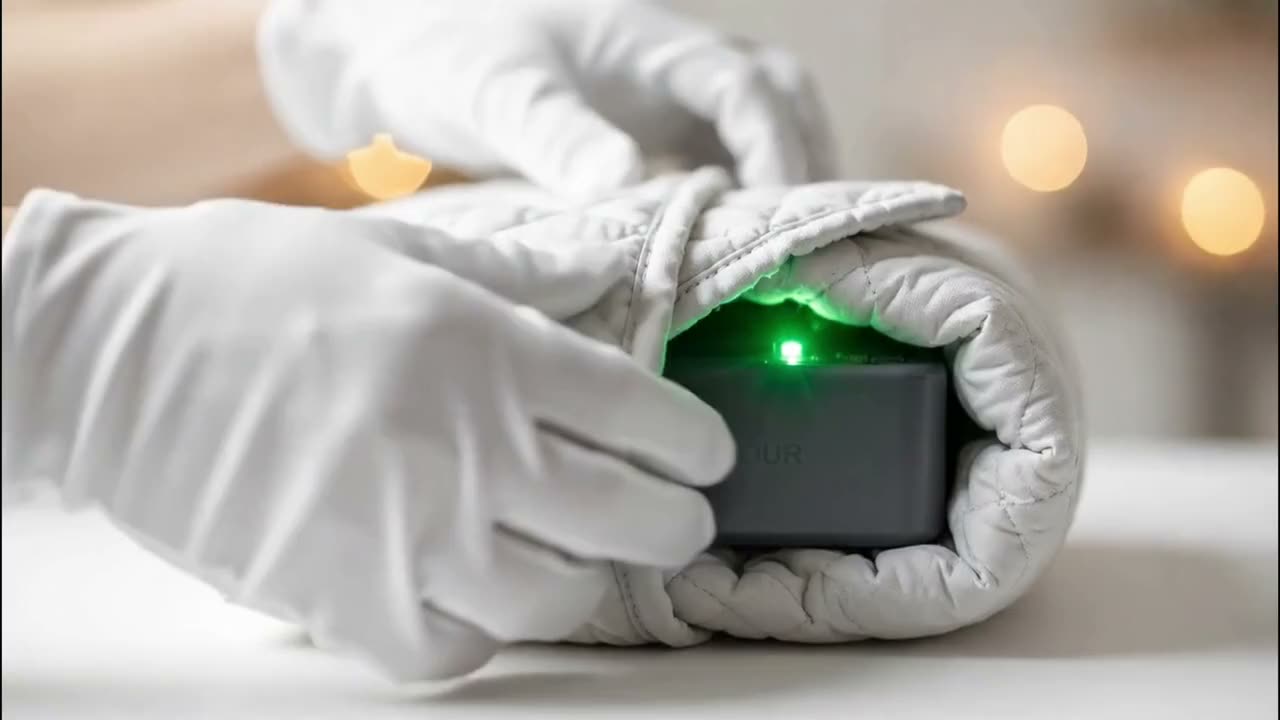
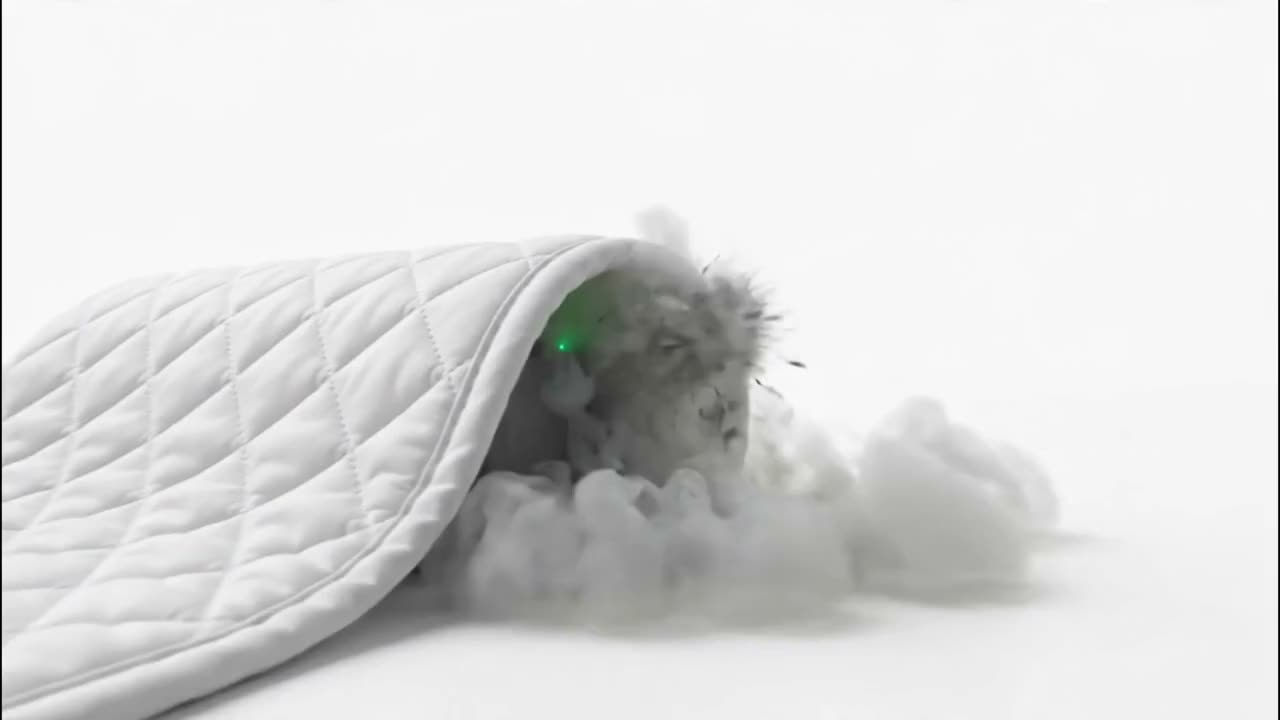
Gloved hands wrap a quilted thermal blanket around a battery module
Wrapped in a fire blanket
The module disappears inside the quilted blanket
Out of sight
Smoke escapes from under the blanket
The wrap smokes

Protection at its peak: layers of apparatus around a lithium-ion system.

c. 2020

Four constraints remain:Still fenced.
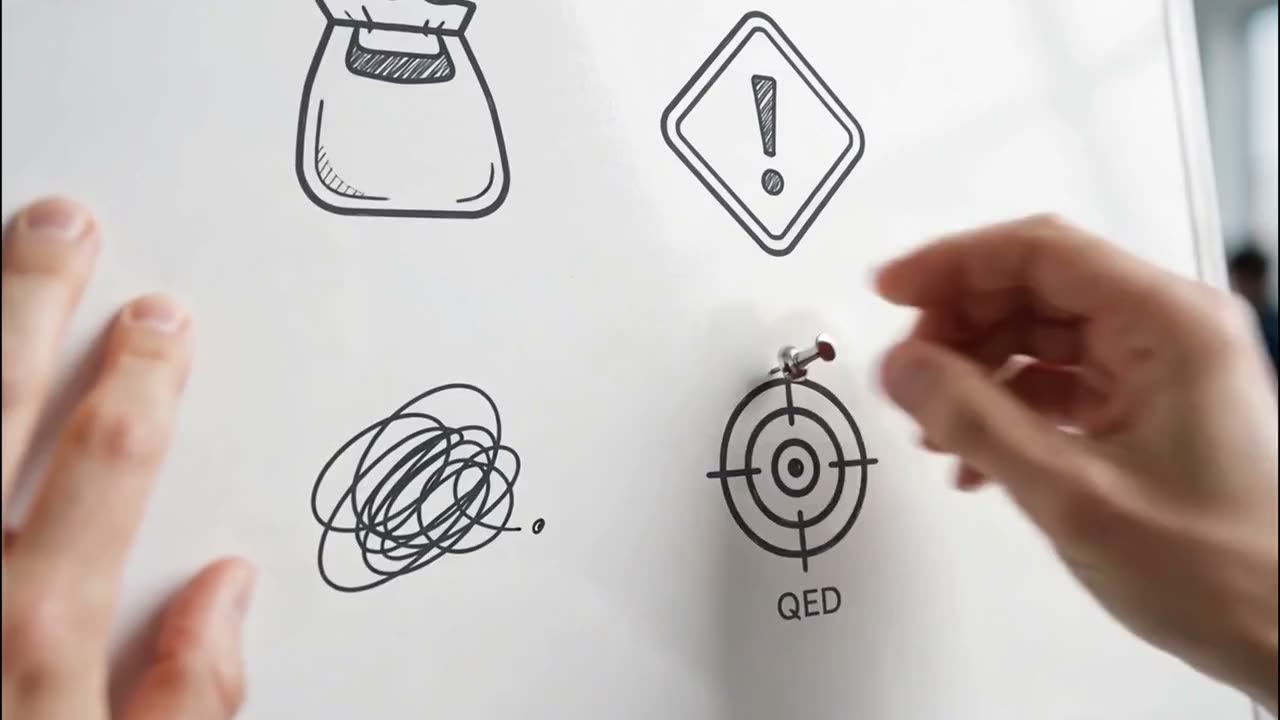
Hands pin four sketched icons to a whiteboard
Four problems, pinned
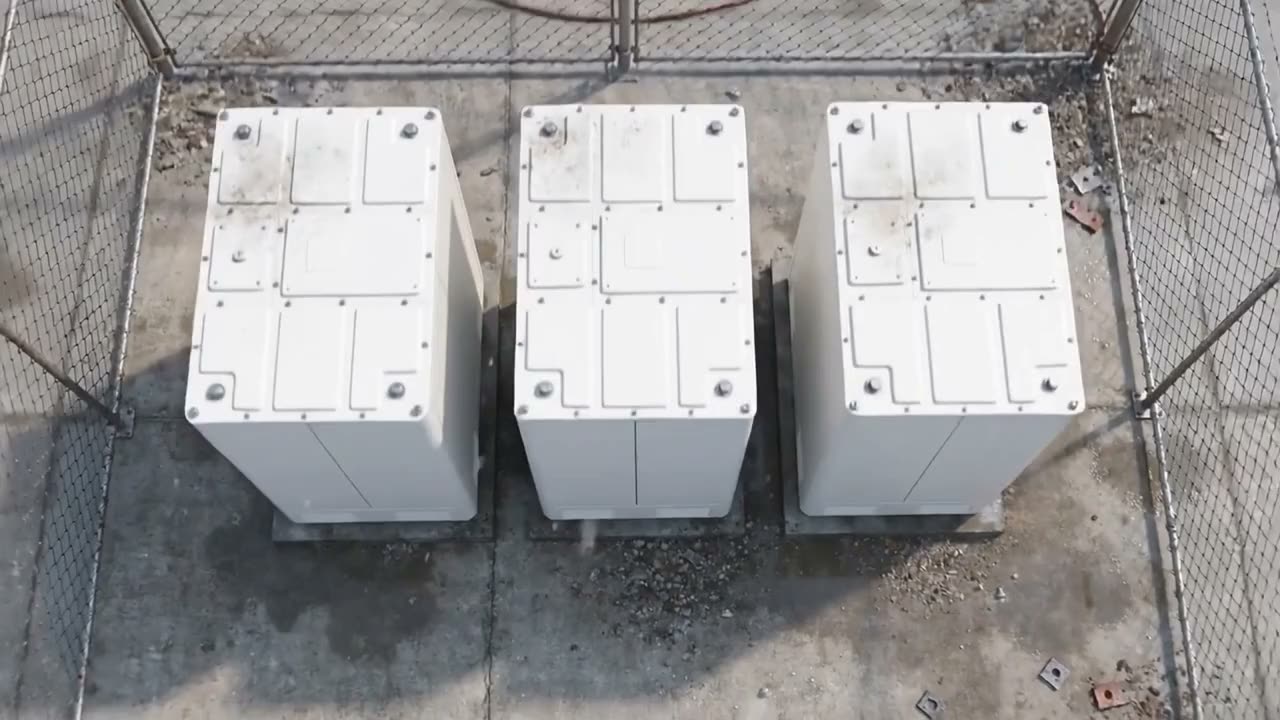
Three white battery containers inside a chain-link fence
Fenced containers
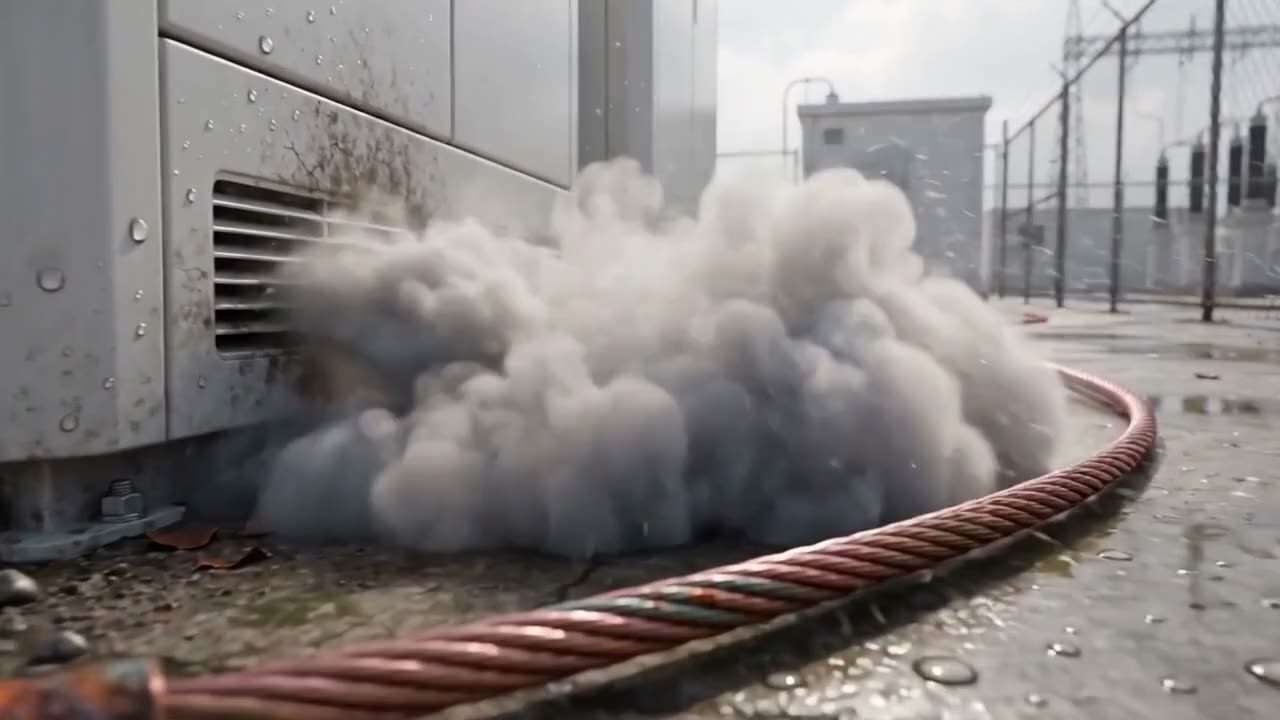
Smoke pours from a container vent beside a heavy cable
Venting

Thermal risk, dangerous-goods shipping, concentrated supply chains and set-back distances.

Today

Today's options:Trade-offs, still.
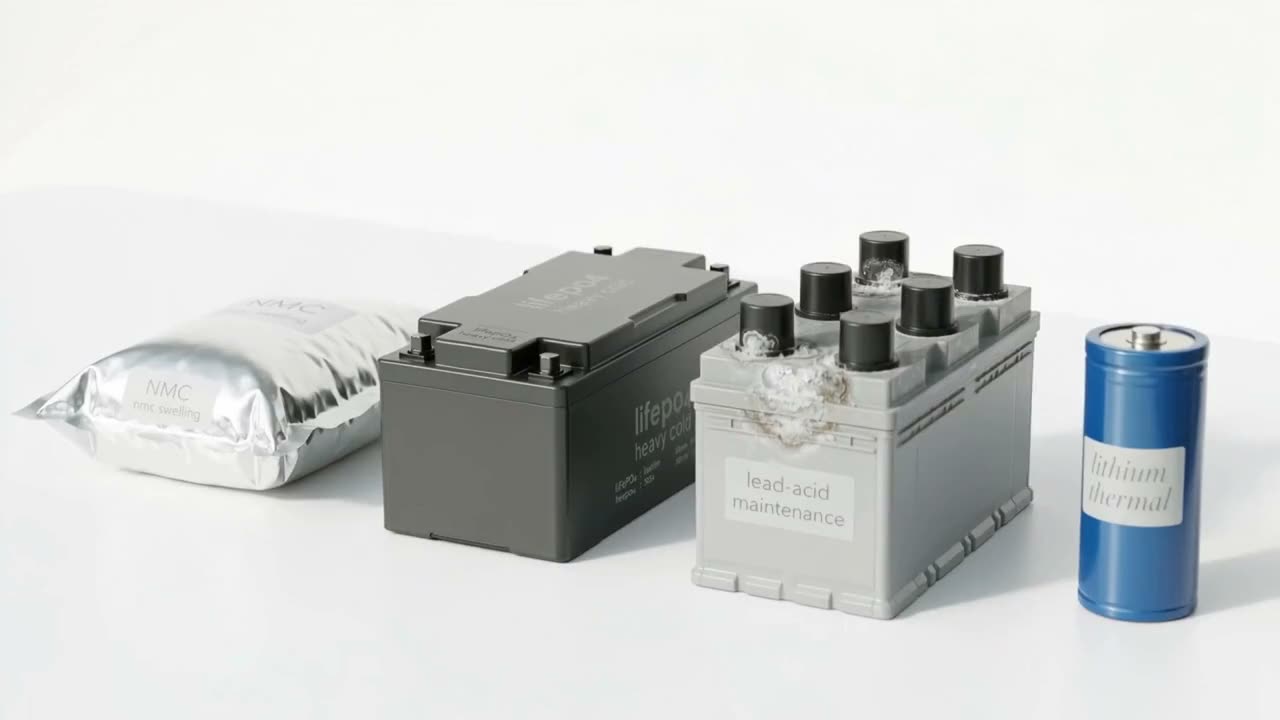
A pouch cell, a black module, a lead-acid battery and a cylindrical cell in a row
Four chemistries on the bench
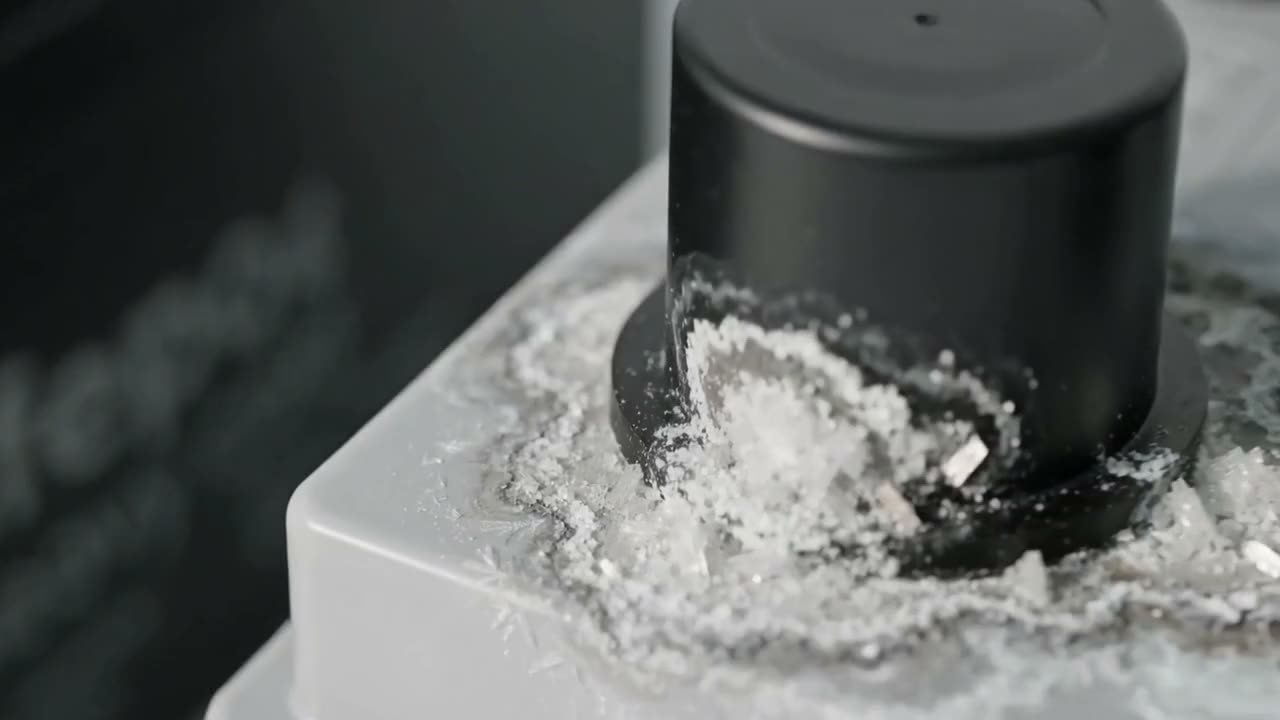
White crystals crust a lead-acid terminal
Corroded terminals
A cylindrical cell bursts open in a flash of light
A cell vents

Comparisons are between chemistry classes, not companies.

2026 · concept

Rechargeable alkaline zinc:Non-Combustible.
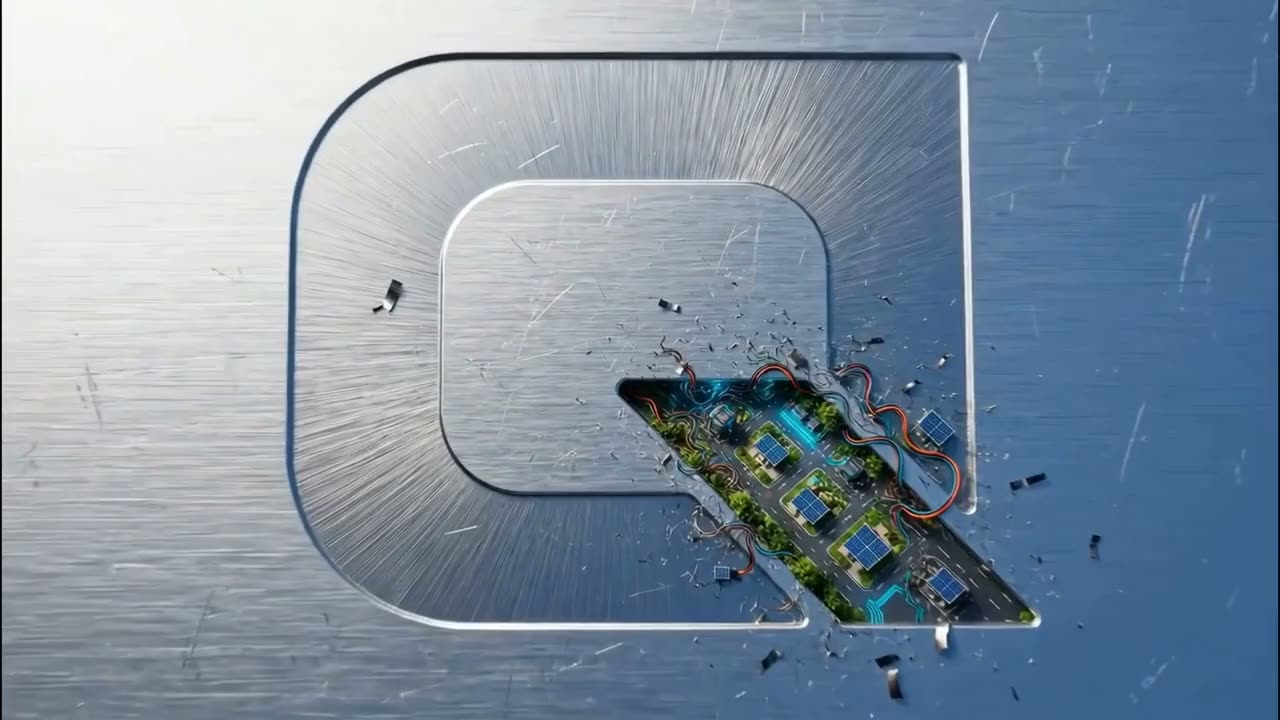
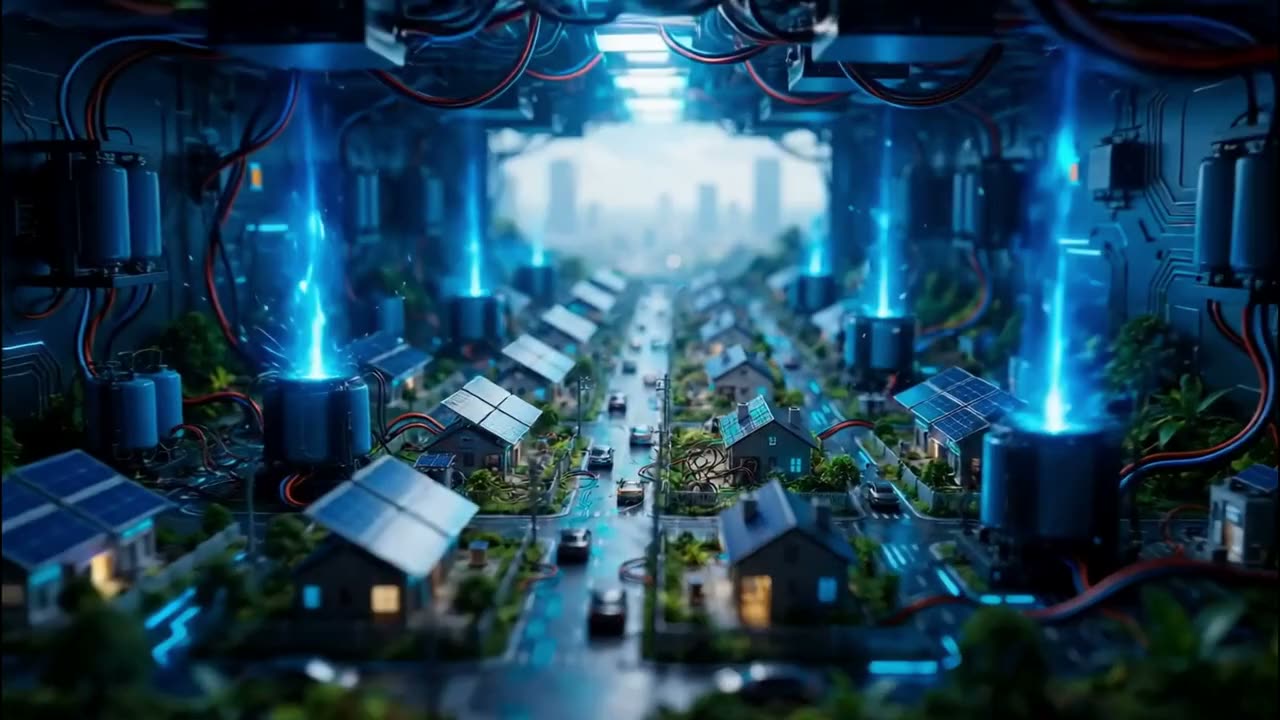
The Q mark machined into brushed metal opens onto a small neighbourhood of homes and solar
Water-based, inside
Inside the unit, a neighbourhood of homes, solar and chargers
Non-combustible, near people
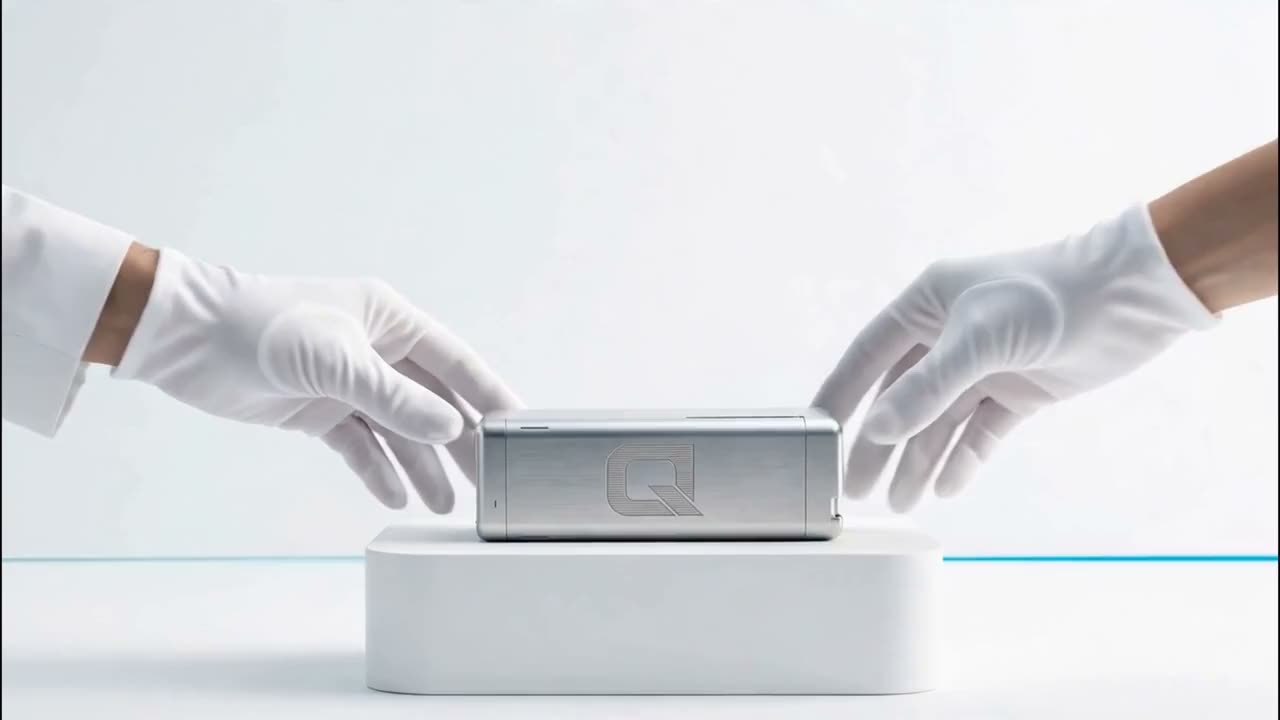
Gloved hands set the unit on a plain white plinth
Non-toxic. Rechargeable. Fully recyclable.

A water-based chemistry that cannot enter thermal runaway. QED products are in development.

Gen 1 + 2 · concept

Non-combustible. Non-toxic:Home, first.
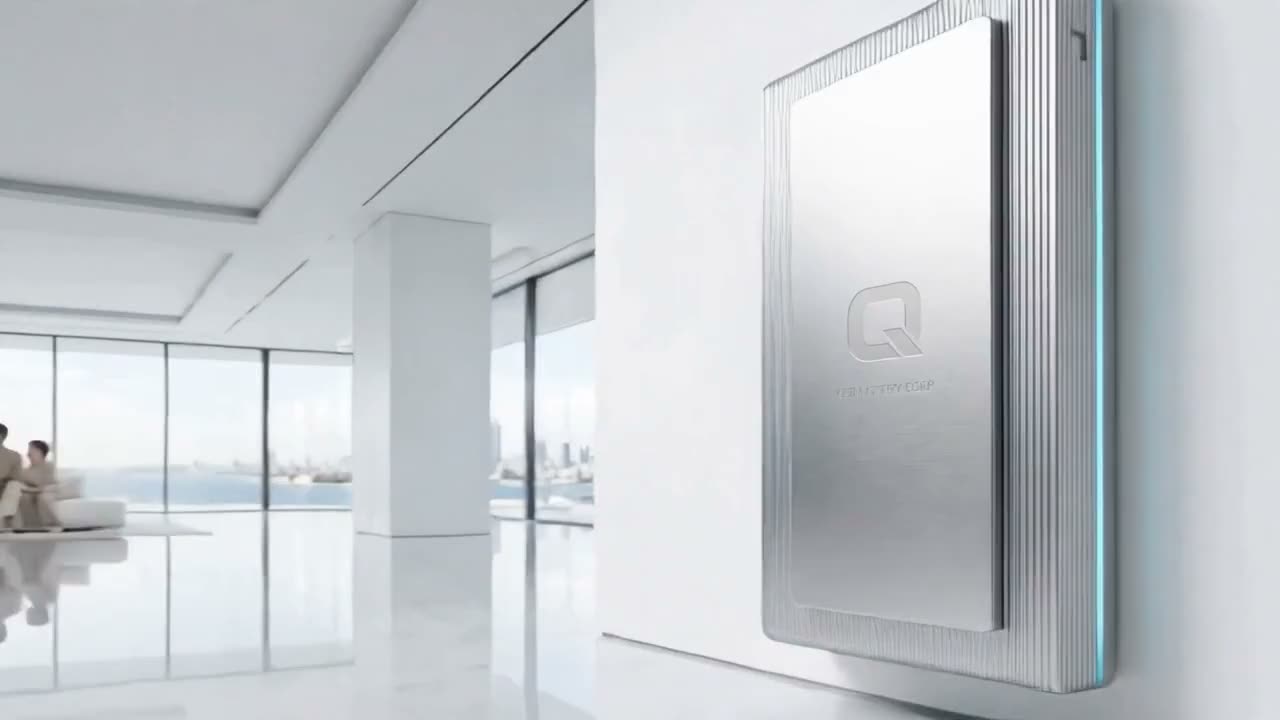
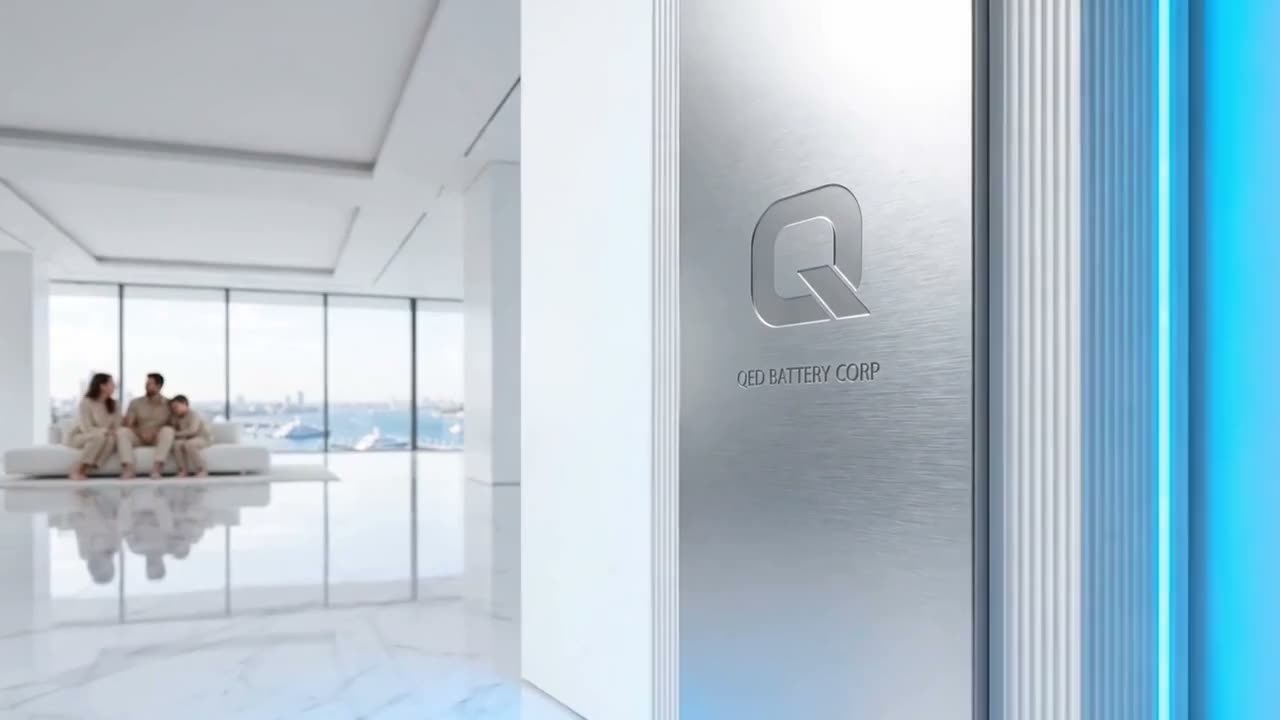
A tall brushed-metal unit on the wall of a bright home
On the wall at home
A home gym with a slim unit on the wall
Beside daily life
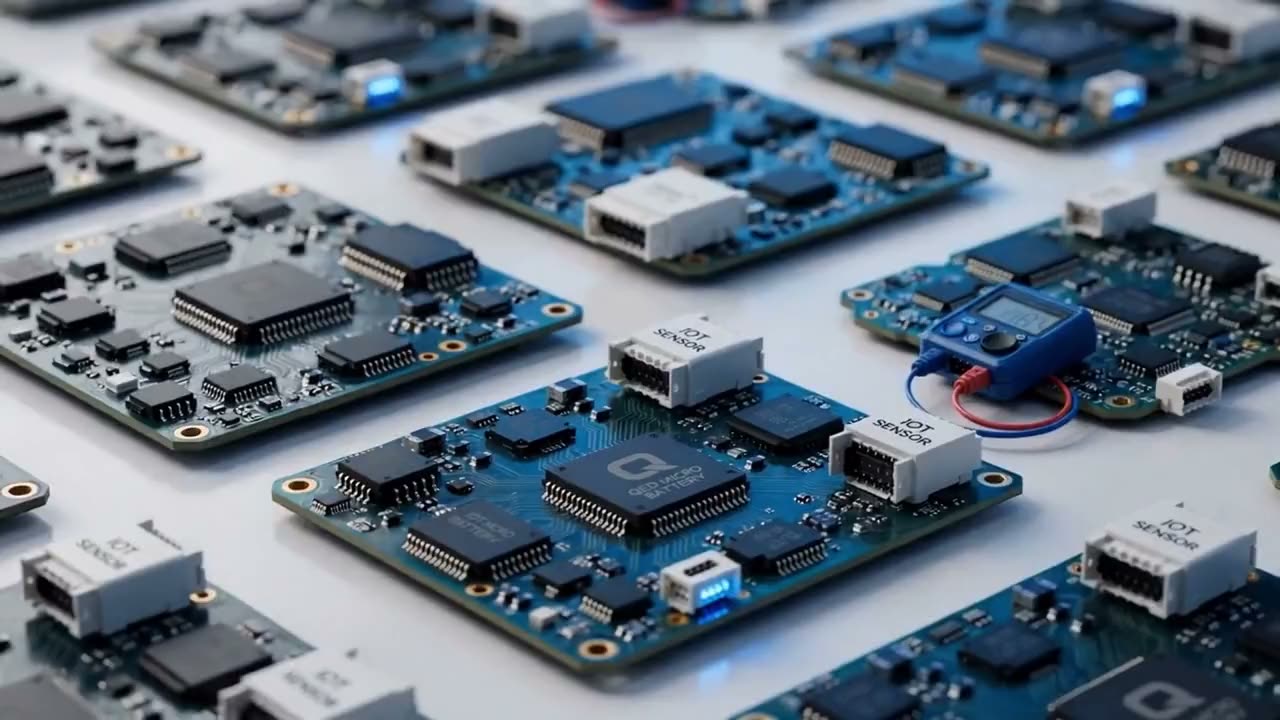
Circuit boards laid out on a white surface
In the devices
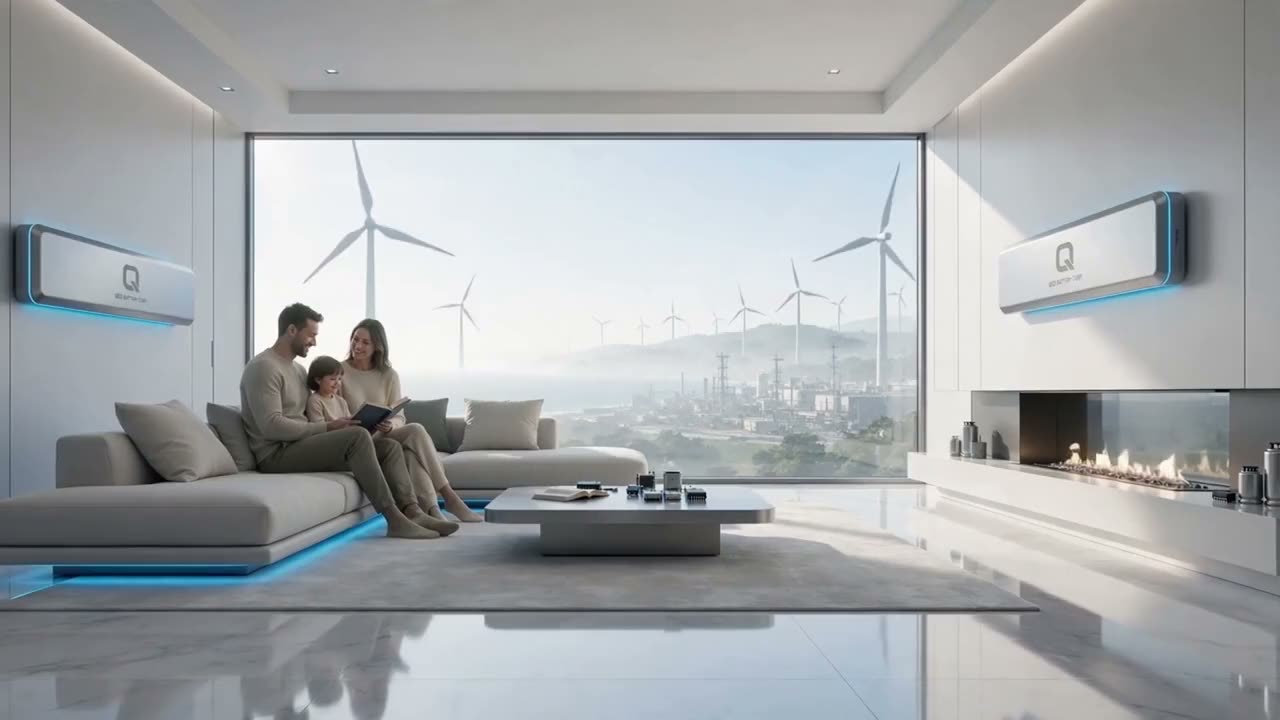
A family on a sofa with slim units on the living-room walls
Inside the home

Concept illustrations. Generation 1: grid, BESS and residential storage. Generation 2 adds interior home units and electronics.

Gen 3 · concept

No lithium. No cobalt:Motion, next.
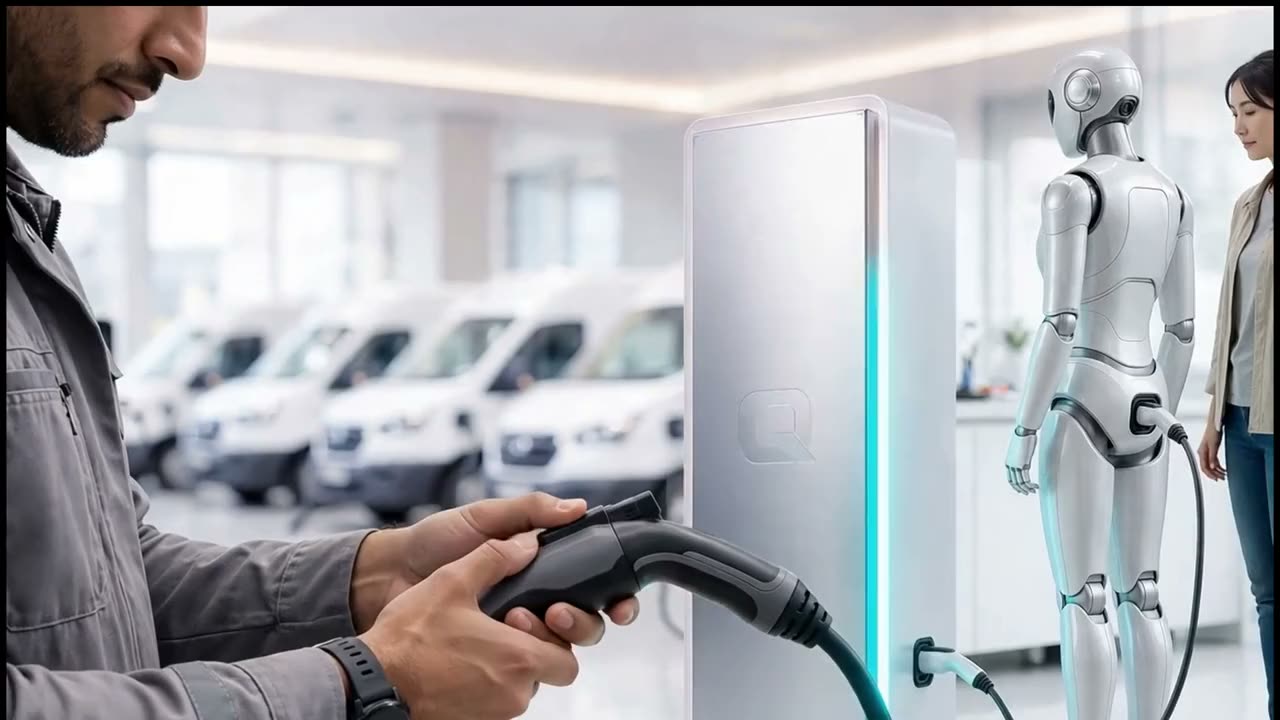
A technician holds a charging connector beside a tall unit and a humanoid robot
Charging a fleet
A tall unit in a bright home by the sea
Quiet at home
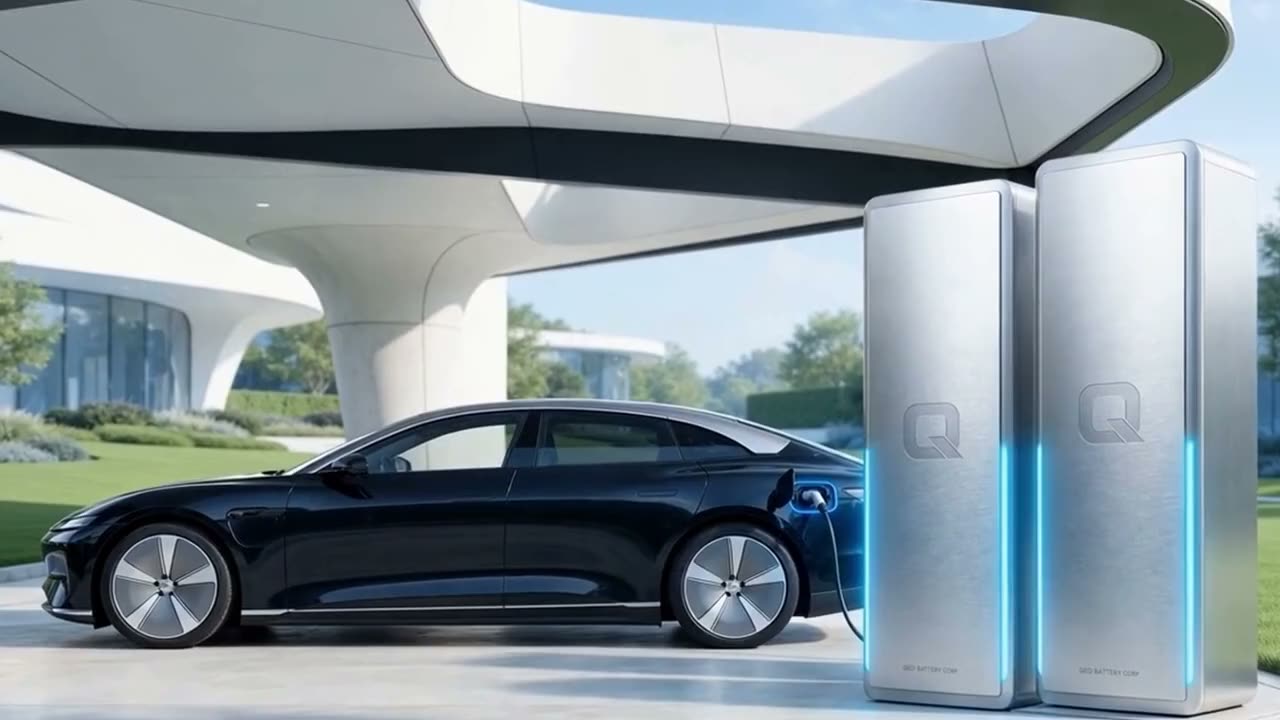
A car charging beside two tall units
Charging a car
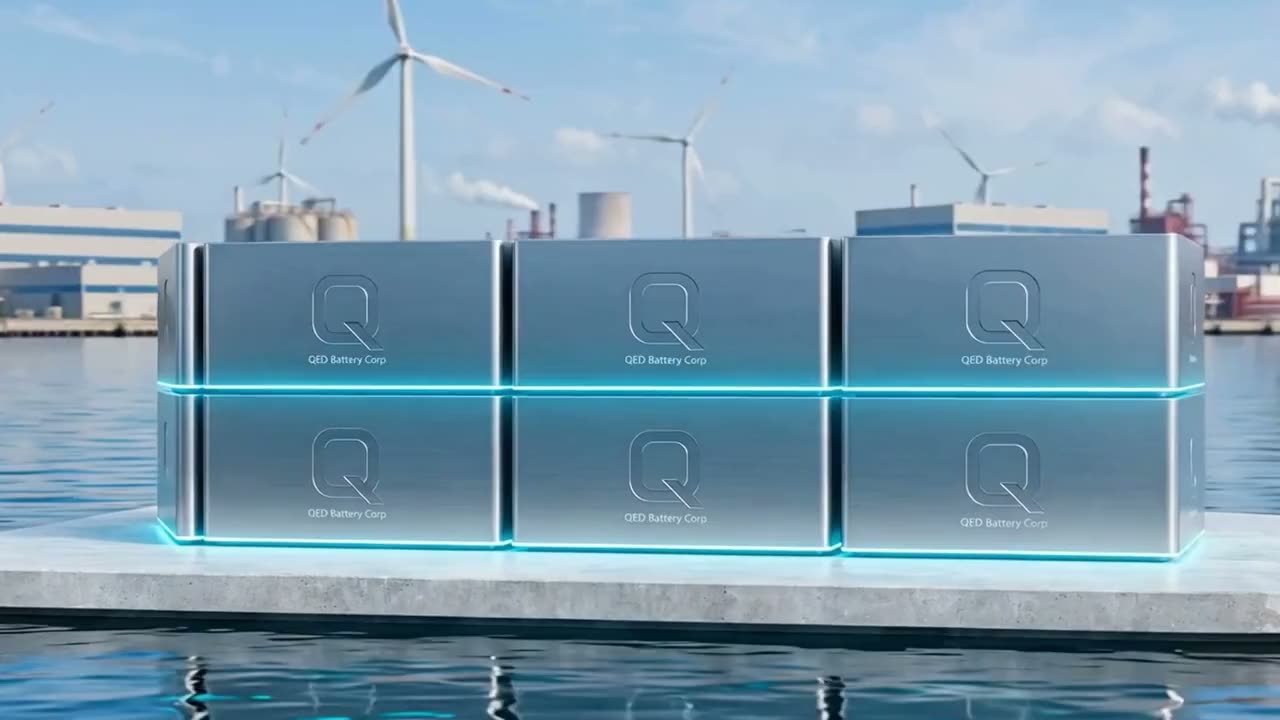
Stacked storage blocks on a platform by the water
At grid scale
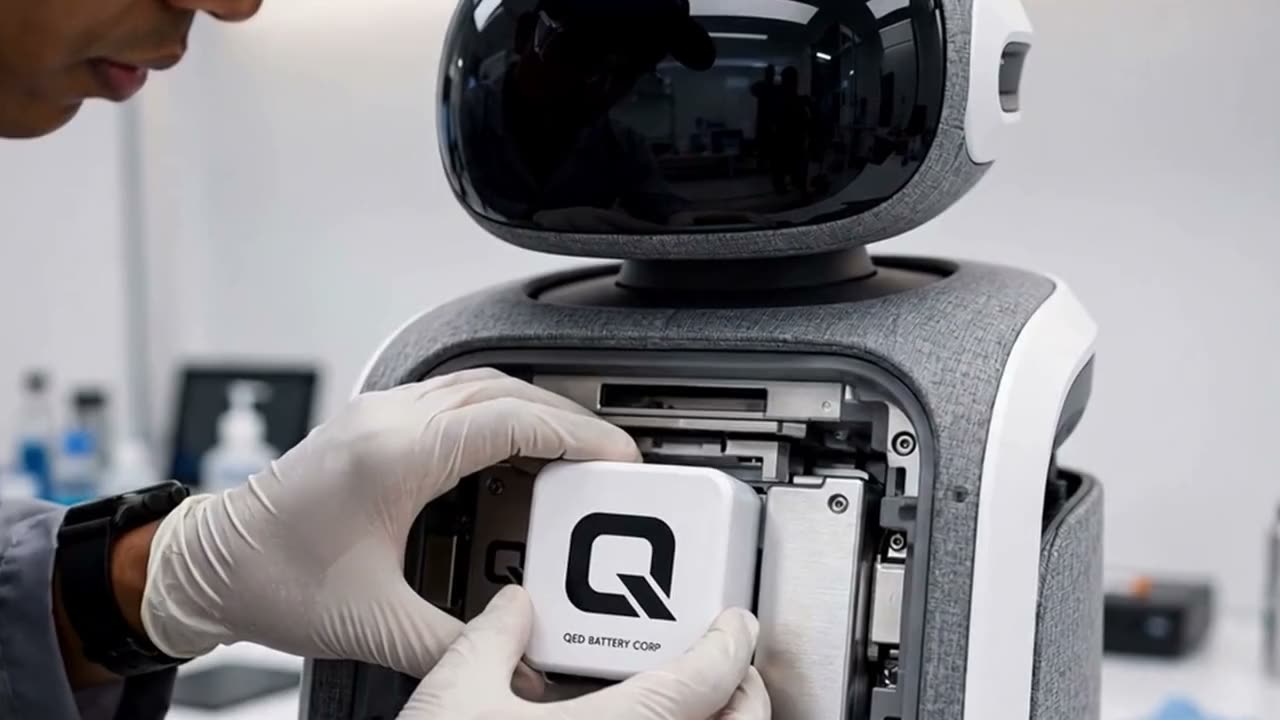
Gloved hands slide a module into a service robot
A module, swapped

Concept illustrations. Generation 3 is high capacity and density for mobility: EVs, power tools, mobile storage and humanoids.
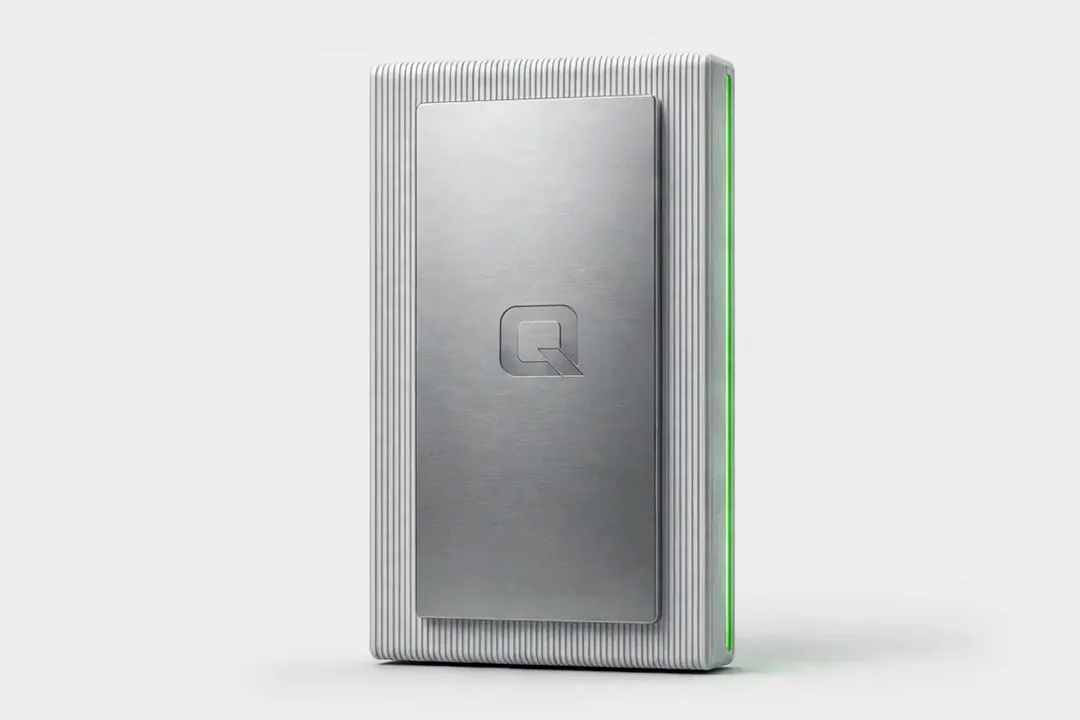
A ribbed silver QED wall unit with a brushed metal plate, an embossed Q and a thin green light line
01/ 12

Commercial inquiry The three words

Our promise

Absolute Safety. Absolute Energy.

A chemistry that cannot enter thermal runaway, rechargeable energy with no lithium and no cobalt, and materials that come back around.

Absolute Safety

Cannot enter thermal runaway

A water-based electrolyte. Non-combustible and non-toxic.

Absolute Energy

Rechargeable, and fully recyclable

No lithium, no cobalt. All raw materials sourced from Canada and the US.

Absolute Safety, Absolute Energy.

Next

Follow the development.

QED is in development. Tell us what you are working on, or ask to be kept informed as milestones are reached.

Commercial inquiry Follow the development