
QED Battery Corp.
Absolute safety, absolute energy.Non-combustible energy storage · 100% North American
Cannot enter thermal runawayNon-combustible · non-toxic
210+ Wh/kgSpecific energy · coin cell
8×Reviewed by government scientists since 2020
QED S-Series · pre-pilot phase
Grid, BESS & Residential
Stationary storage for utilities, developers and commercial sites. The lead product.
One platform
All three series, one structure.
S-Series · E-Series · M-Series: the same structure and components, with a different chemistry for each
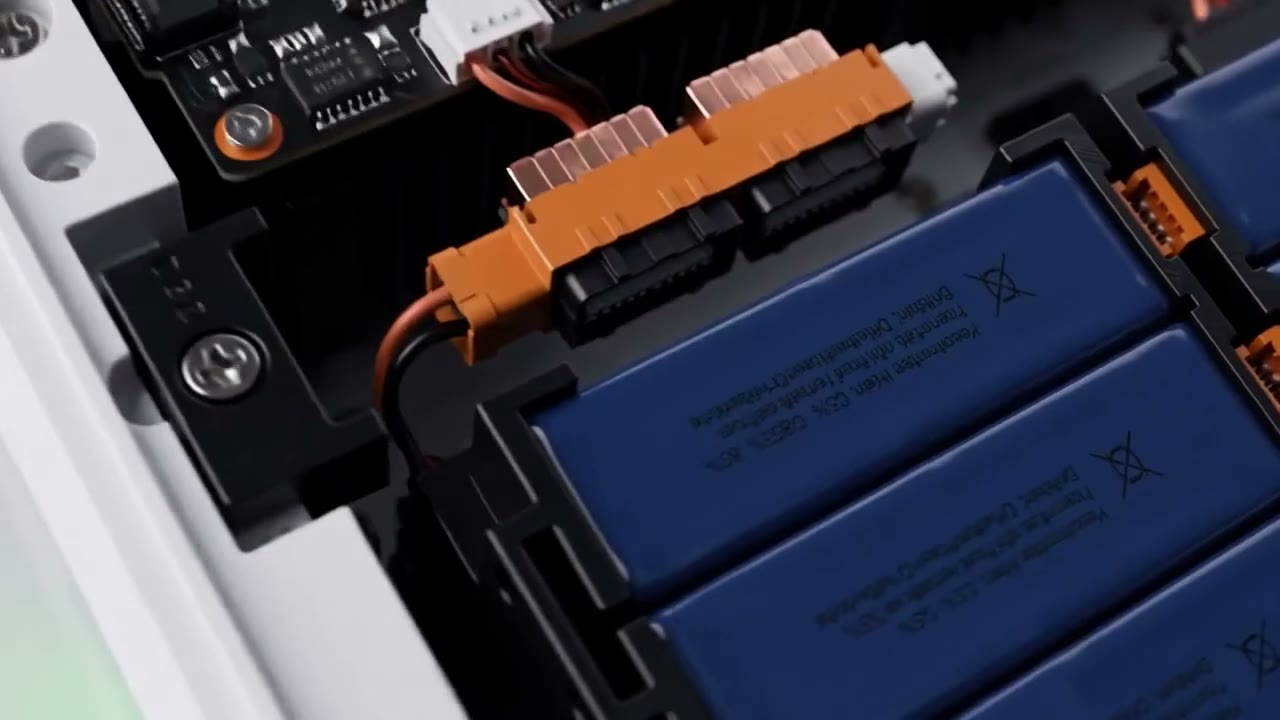
Cell · module · BMS
Cells into storage
QED makes the rechargeable zinc cell, and the module and battery management that turn cells into storage.
Sustainable
Rechargeable & recyclable
Built to be recharged, and fully recyclable at end of life
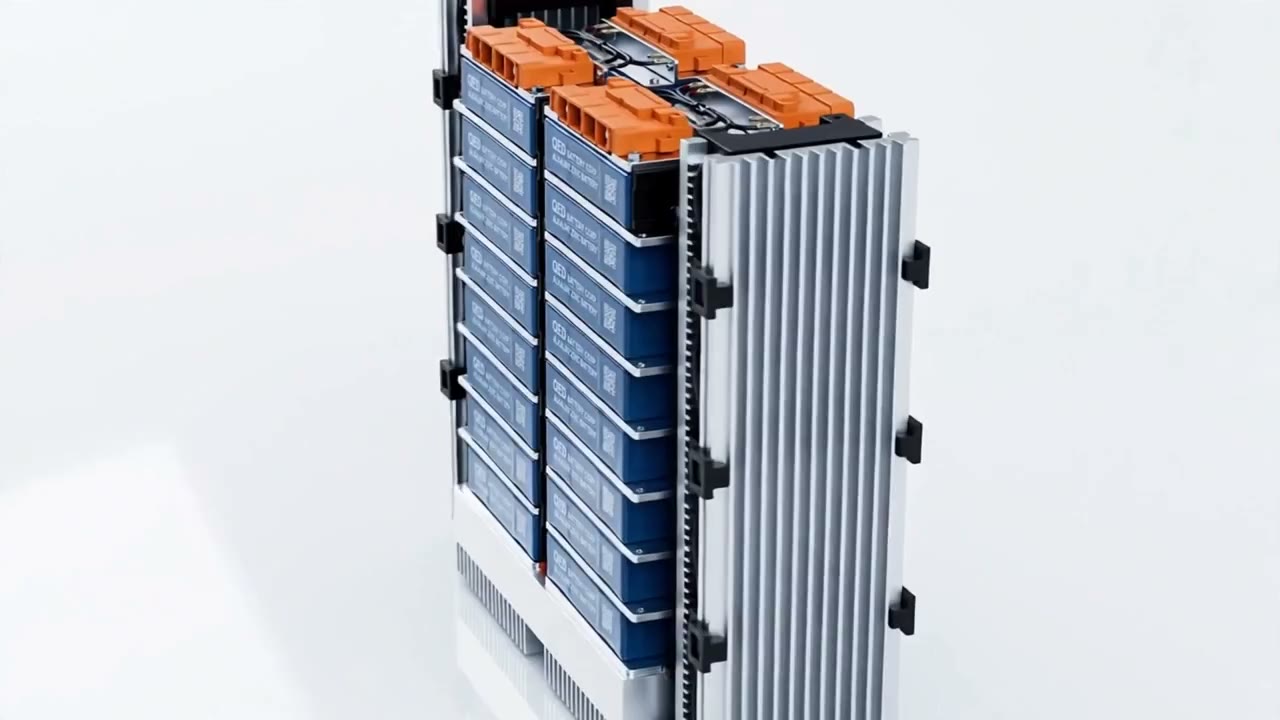
Module & BMS · in development
Built around the cell
The module and battery management are in development.
Secure
All raw materials sourced from Canada and the US
Measured
Electrode cycles · half-cell, anode isolated
Sited where lithium can’t
Nothing to design around
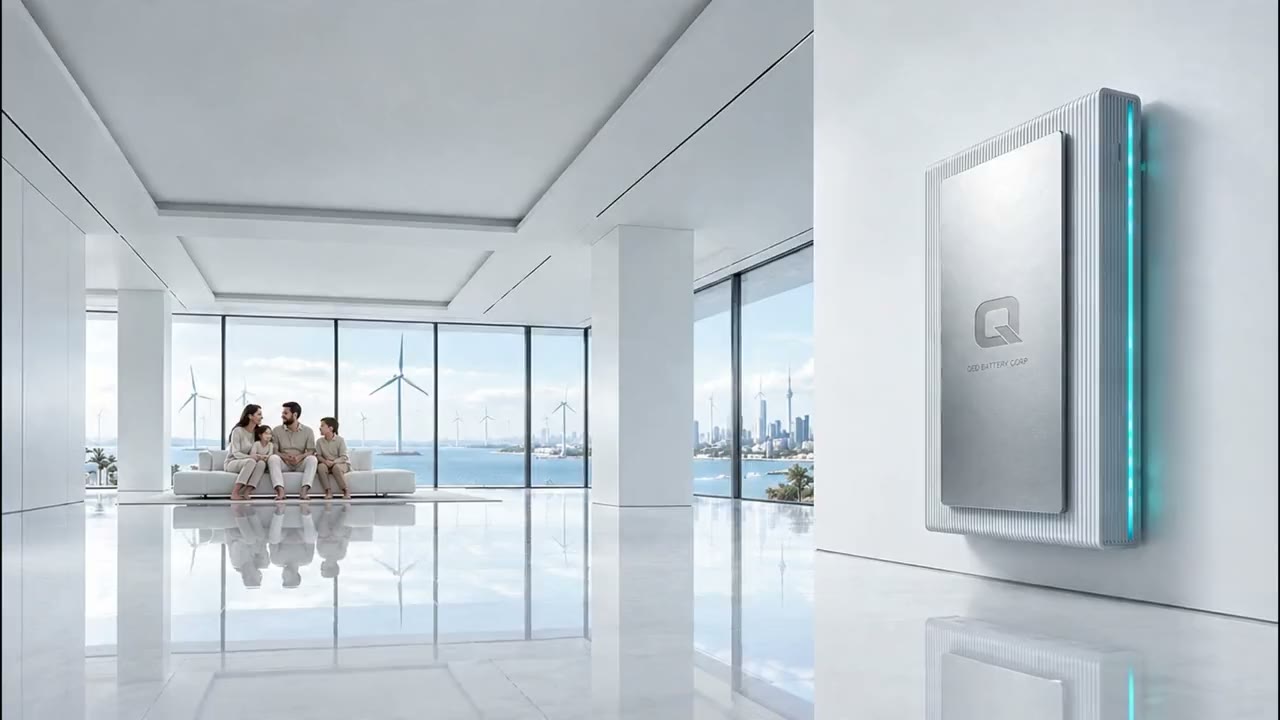
No cooling, fire suppression or exclusion zones to design around. Local codes still apply.
Next
From cell to site.
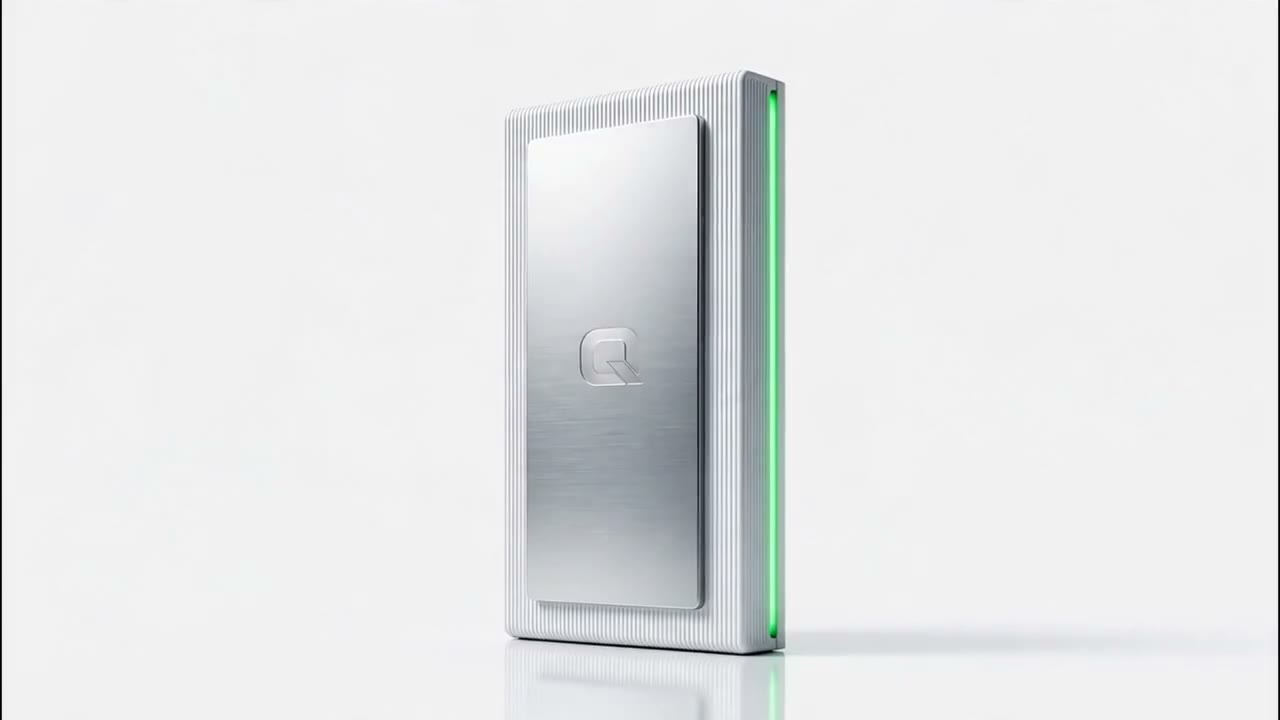
The QED S-Series: safe, stackable zinc storage.
Concept visualization · illustrative only
Why QED
Safe. Secure. Sustainable.
Non-combustible energy storage, a 100% North American supply chain with no lithium and no cobalt, and rechargeable cells made from materials that can be fully recycled.
Safe
Cannot enter thermal runaway
The electrolyte is engineered. Non-combustible and non-toxic.
Secure
No lithium. No cobalt.
All raw materials sourced from Canada and the US.
Sustainable
Rechargeable & recyclable
Built to be recharged, and fully recyclable at end of life.
Fast to charge
Charges to 90% in under ~3 minutes (per cell).
Ships as ordinary freight
Non-hazardous, so no dangerous-goods packaging, carriers or paperwork.
Sited where lithium can’t
No cooling, fire suppression or exclusion zones to design around. Local codes still apply.
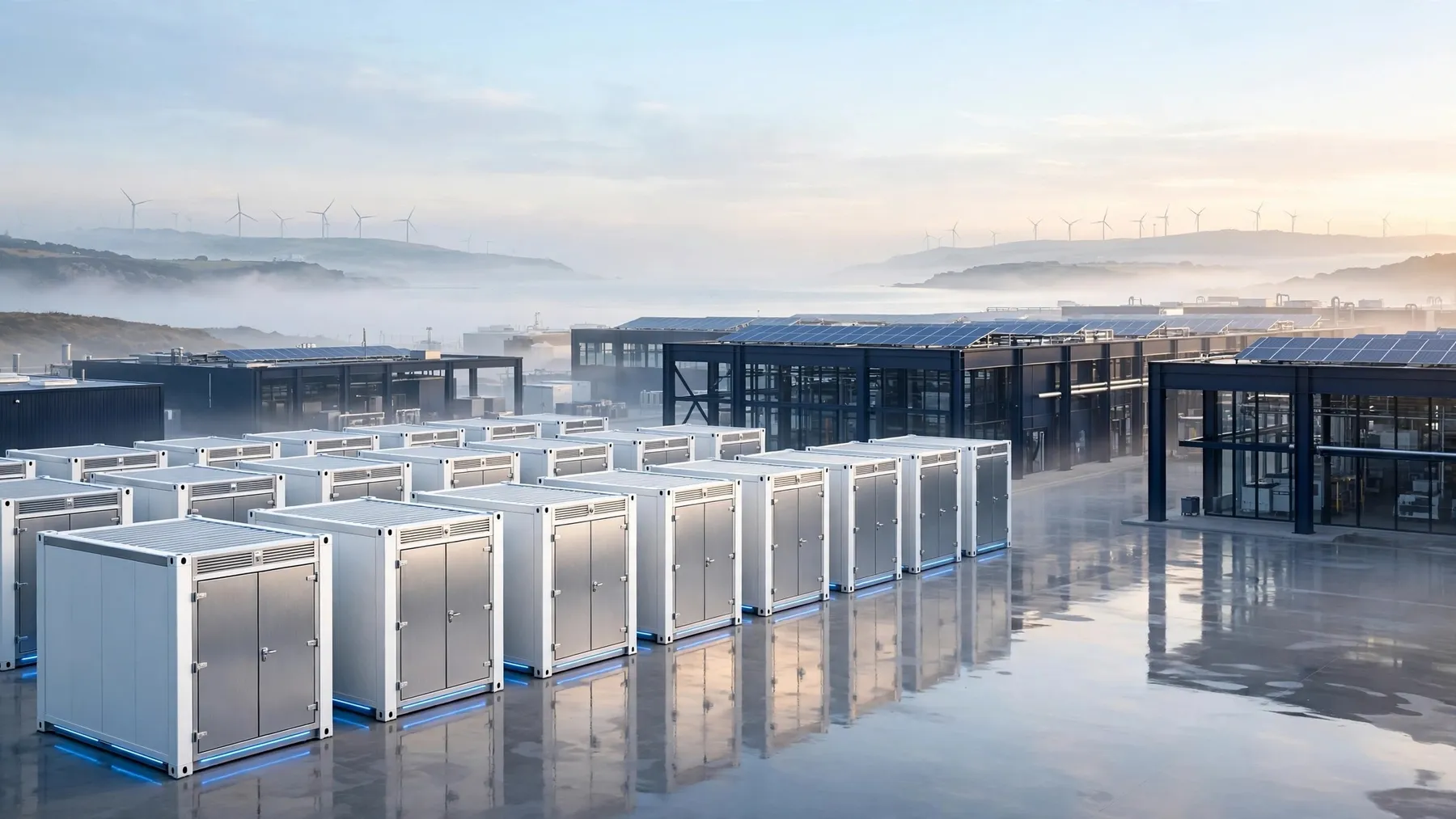
Grid & BESS · concept image
The product
We make the cell
QED makes the rechargeable zinc cell — and the module and battery management that turn cells into storage. Integrators, manufacturers and end users: from single cells to complete systems.
- CellCoin cell proven · prismatic in validation
- ModuleIn development
- BMSBattery management · in development
Absolute safety, absolute energy.
The market today
What storage buyers live with
Most stationary storage today is lithium-ion, and lithium-ion systems are generally safe and work well. Accidents can and do happen, though. Beyond the safety risk, lithium-ion brings a concentrated supply chain that every project has to plan for.
76%
of the world’s mined cobalt came from one country, the DR Congo, in 2024.
2/3+
of the world’s lithium processing capacity belonged to Chinese companies (2022 data).
95%+
of the world’s planned 2030 sodium-ion battery manufacturing capacity is in China, counting plants built and announced.
Source: IEA, 2026
1,200
residents were evacuated when a 300 MW lithium-ion battery facility caught fire at Moss Landing, California, in January 2025.
Source: County of Monterey
~1/mo
grid-scale battery failure incident worldwide since 2021, on average — even as the failure rate per GWh installed has fallen sharply.
Third-party public figures, cited as published. They describe the market, not QED’s products.
- Active cooling Manages thermal risk.
- Fire suppression Contains a fire if one starts.
- Steel armor and barriers Protects what sits nearby.
- Exclusion zones Set-back distance from anything that matters.
- Dangerous-goods shipping Hazmat packaging, restricted carriers, extra paperwork.
- Fire-code permitting Studies, sign-offs, and sometimes refusal.
- Insurance exposure Premiums that price in the fire.
Milestones achieved
What QED has already done
Each result is stated at the scale it was measured, so you can judge it the way an engineer would.
3of 3
limiting mechanisms controlled at the same time: rechargeable zinc that lasts
~2,500+
cycles at 0–100% depth of discharge
Coin cell
50,000+
electrode cycles
Electrode (half-cell)
6+ mo
of continuous operation — still running
Coin cell · ongoing
8×
reviewed by government scientists since 2020
On record
S-Series
QED S-Series, now in the pre-pilot phase: stationary storage for utilities, developers and commercial sites
Prismatic cell · in validation
The figures above are measured in coin cells. Prismatic-cell results are being measured now, and will be published here as they are validated.
Every measurement and its scope
Partners, program reviewers and the team behind QED are shared on the Investors page.

Pre-pilot phase
QED S-Series Storage
Stationary storage for utilities, developers and commercial sites.
In the lab
QED E-Series Electronics
Higher-voltage cells for devices and equipment.
In development
QED M-Series Mobility
High energy density for vehicles and mobile power.
Who it’s for
Find your way in
Pre-pilot
QED S-Series Storage
Utilities, developers & commercial sites
Stationary storage for utilities, developers and commercial sites. The lead product.
In the lab
QED E-Series Electronics
Device makers & OEMs
Higher-voltage cells for devices and equipment.
In development
QED M-Series Mobility
EV & defence programs
High energy density for vehicles and mobile power.
Partners, reviews & team
Investors
Program reviews, partners, the team and the data room are shared privately.
Are QED products available yet?
QED products are in development and are not yet available for purchase, and there is no public pricing yet. Pre-sale inquiries are open: send one from any product on the Explore page, or from the Contact page, and a person on the team will reply.
What is the energy density?
210+ Wh/kg specific energy A small, button-shaped test cell used to measure a chemistry at laboratory scale.. That figure is measured in coin cells. Prismatic-cell figures are being measured now and will be added here as soon as they are validated. Where another chemistry does better on raw energy density today — NMC lithium-ion, for example — we say so.
How does QED compare with other battery chemistries?
We compare chemistries, not companies — LFP, NMC, sodium-ion and lead-acid are different classes with different strengths. QED’s advantage is at the system level: safety, durability, supply security and total cost of ownership. Where another chemistry does better — NMC on raw energy density today — we say so. Any comparison figure will carry a dated source.
Can QED be installed indoors?
Because the chemistry is non-combustible, a QED system does not need the fire-suppression, exclusion-zone and armouring measures that flammable chemistries require. That widens where storage can go — inside buildings, next to people, in dense areas. Local building and fire codes still apply, and QED system designs are still in development.
“We are like tenant farmers chopping down the fence around our house for fuel, when we should be using Nature’s inexhaustible sources of energy — sun, wind and tide.”
Next
Talk to us about the S-Series.
Planning storage for a utility, development or installation? Share your requirements and we’ll follow up directly.